Overview
There are no cobbled lanes, no whitewashed churches on clifftops, no artisan shops selling hand-painted ceramics. What Monte Gordo has instead: a wide, south-facing beach with the warmest water on the Algarve coast, a flat promenade lined with restaurants, and apartment blocks that haven't changed much since the resort was built in the 1960s and 70s. It works, and for a straightforward beach holiday — particularly with children — it works well.
The resort sits in the Vila Real de Santo António municipality, at the far eastern end of the Algarve where the Guadiana river meets the Atlantic. Spain is close enough for a day trip, and the eastern Algarve's quieter beaches and villages are all within easy reach.
The beach
Praia de Monte Gordo is the reason most people come here, and it's easy to see why. The beach runs for roughly 3km, wide enough that even in August you can find space by walking east towards the pine forest. The sand is golden and flat, the slope into the water gentle. Children paddle safely while parents sit without worry.
The water is noticeably warmer than the western Algarve. Monte Gordo's sheltered eastern position, away from the cold Atlantic upwelling that affects the west coast, means swimming is comfortable from June well into October. If you've shivered your way into the sea at Sagres or Lagos, you'll notice the difference immediately.
Beach facilities are thorough: sunbeds, parasols, showers, lifeguards in season, and beach bars where you can eat grilled fish without leaving the sand. A boardwalk runs along the top of the dunes for nearly 2km, connecting the resort to the pine forest at the eastern end — flat, easy walking or cycling with the beach on one side and dunes on the other. The promenade behind the beach has a continuous run of restaurants and cafés, functional rather than fashionable, with menus heavy on grilled fish and cataplana.
At the eastern end of the beach, the Mata Nacional das Dunas Litorais de Vila Real de Santo António is a protected coastal pine forest that stretches toward the Guadiana. The forest was planted to stabilise the dunes and offers shaded walking paths away from the sand. On hot days, the temperature drops noticeably under the canopy. It's also a reliable spot for birdwatching, with chameleons occasionally spotted in the undergrowth.
Resort character
Monte Gordo grew as a purpose-built resort, and the architecture carries the marks of 1960s and 70s Portuguese development. Tower blocks line the beachfront. The streets behind form a simple grid of apartments, restaurants, and minimarkets. It's not a place you'd photograph for its buildings.
What it does have is a lived-in quality that more polished resorts lack. In August, Monte Gordo fills with Portuguese families who've been coming for years. The promenade comes alive on summer evenings with families strolling, children on rented go-karts, and the smell of grilled sardines from the restaurant terraces. Outside high season, the resort is quiet. Many businesses close between November and March, and the permanent population is small.
Casino de Monte Gordo, operating since the 1930s and one of the oldest in the Algarve, adds an unexpected dimension. The casino hosts shows, has a restaurant, and stays open late, which is useful when the resort's other evening options run thin.
The Spanish border
Vila Real de Santo António, 3km east, sits at the mouth of the Guadiana river with Spain on the opposite bank. From there, a seasonal car ferry crosses the Guadiana to Ayamonte (roughly €5 for a car, every 30–40 minutes in summer). The crossing takes about 15 minutes and is worth doing for the river views alone. The Guadiana is wide here, with salt marshes on both sides and the occasional fishing boat working the current.
By road, the international bridge on the A22 crosses into Spain further upstream. Ayamonte is a pleasant Spanish town with cheaper restaurants, a different atmosphere, and a morning market worth browsing. The combination of Monte Gordo's beach and an afternoon in Ayamonte makes a full day.
Getting there
From Vila Real de Santo António: Monte Gordo is 3km west along the coast road, a five-minute drive or a flat 30-minute walk along the promenade.
By car from Faro: 55km east on the A22 motorway (tolled) or the EN125. The drive takes 40–50 minutes. Parking is straightforward; there's free roadside parking near the beach and several car parks behind the promenade.
By bus: Vamus Algarve operates regular services from Vila Real de Santo António and Faro. The Faro service takes about 90 minutes with stops.
Practical information
Monte Gordo is a beach base, not a sightseeing destination. Most visitors spend their days on the sand and their evenings on the promenade. A week works for a beach holiday; a day trip is enough to see the resort itself.
The restaurants along the promenade serve reliable if unspectacular grilled fish and Portuguese standards. For better dining, drive to Vila Real de Santo António or take the ferry to Ayamonte. Accommodation ranges from large package-holiday hotels to rental apartments, generally cheaper than equivalent options in Lagos or Albufeira.
For a change of pace, Cacela Velha is a 15-minute drive west, a clifftop hamlet with Ria Formosa views that feels like a different world from Monte Gordo. Altura and its beaches are closer still, offering a quieter alternative without the resort development.
Where to eat
- Dona Bela Book ahead in summer, especially for weekend dinners.
- The Pr1me Beach Club Reserve for weekend lunch in summer. Closed November–March.
Where to stay
-
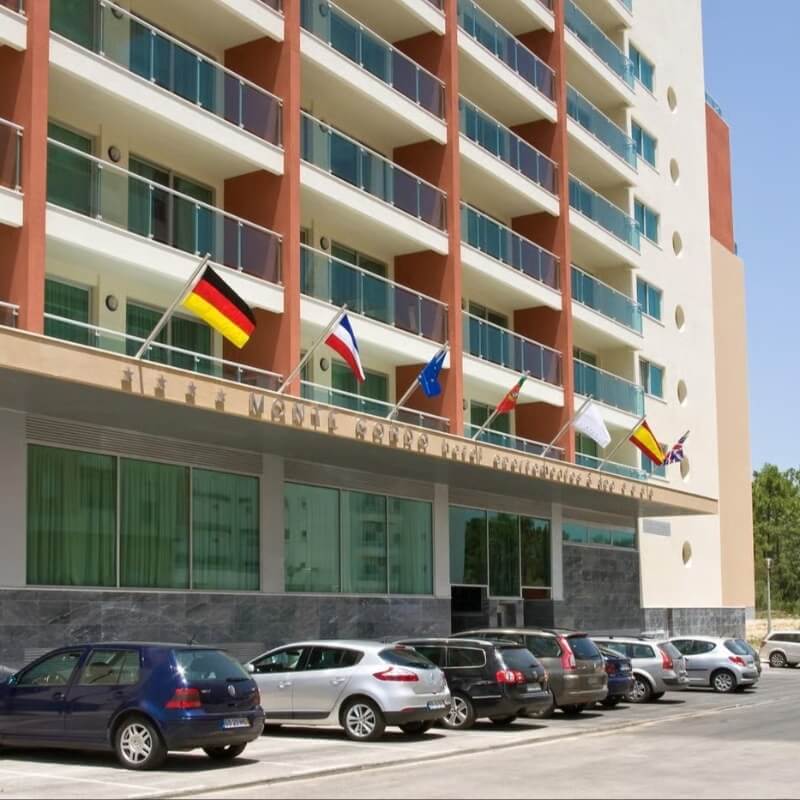 Monte Gordo Hotel Apartamentos families on a beach-holiday budget Booking.com Expedia
 -
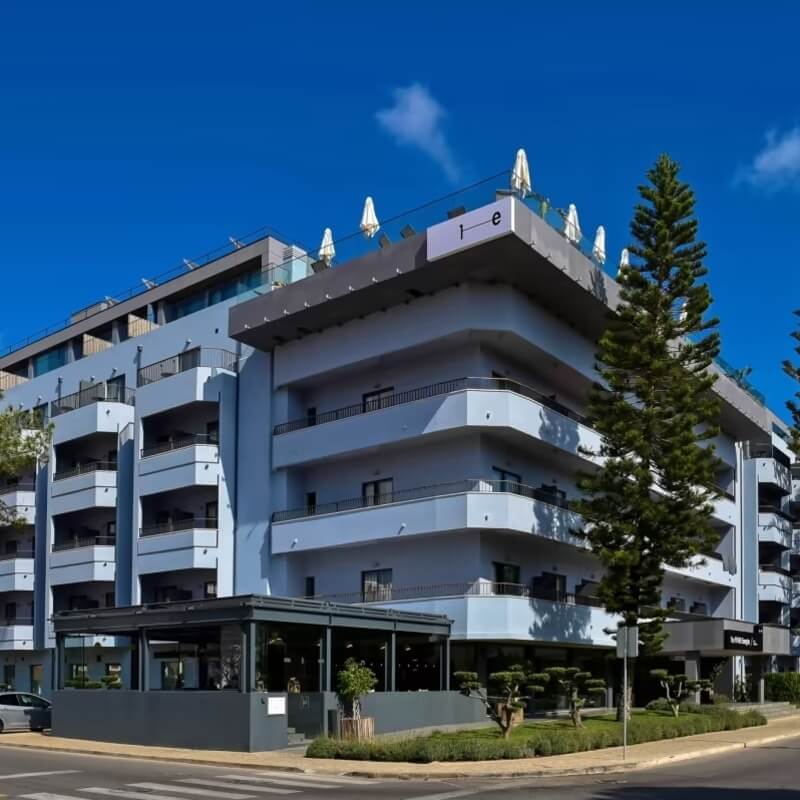 The Prime Energize active travellers wanting rooftop facilities Booking.com Expedia
 -
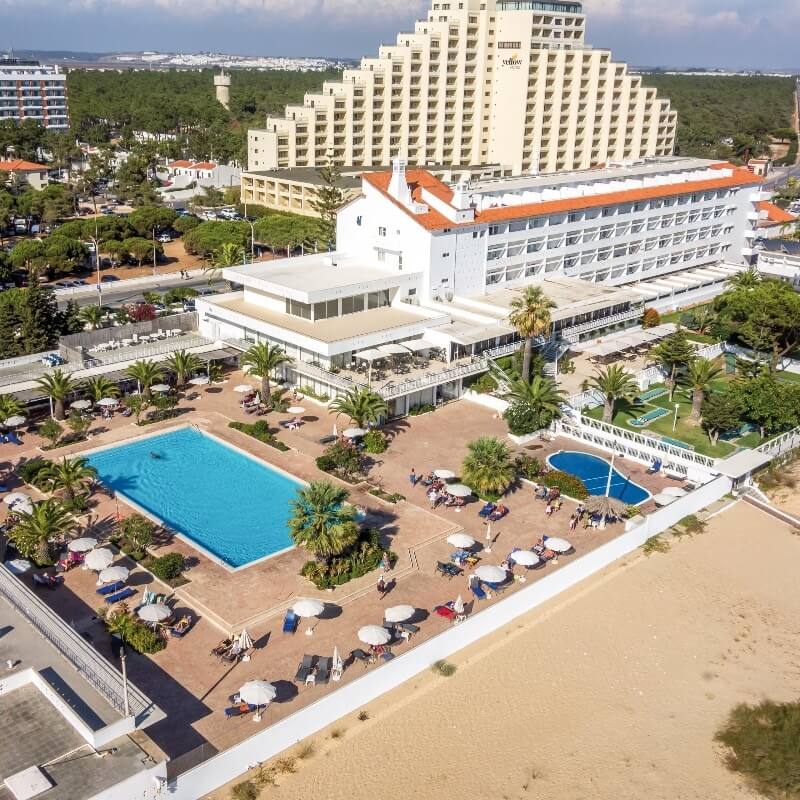 Vasco da Gama Hotel independent travellers Booking.com Expedia
Last reviewed: