
Overview

The beach at Luz curves in a wide arc of pale sand, backed by a low promenade and a village that climbs gently behind, pleasant enough, until your eye reaches the western end. There, the Rocha Negra punches up from the shoreline, a dark volcanic mass completely out of place against the golden limestone that defines the rest of this coast. That geological oddity is what makes Luz stick in the memory.
Luz (or Praia da Luz, as most people call it) sits 6km west of Lagos in the western Algarve. It was a fishing village once; now it's a settled, predominantly expat community where British and German residents mix with Portuguese locals and summer visitors. Don't expect the crumbling-plaster authenticity of a village that tourism forgot. Luz is well kept, well served, and quietly comfortable. A beach day, a clifftop walk, lunch — that fills a visit well. An overnight stay works if you want to walk to Burgau one morning and Porto de Mós the next.
The beach
Praia da Luz is a generous south-facing stretch of golden sand that slopes gently into calm, clear water, shallow enough at the shoreline for small children to wade. The Rocha Negra (Black Rock) dominates the western end, its dark basalt a geological anomaly on a coast built from limestone and sandstone. At the eastern end, a small harbour and slipway recall the fishing village this once was.

The beach faces south-west, which means afternoon sun and the occasional Atlantic swell, nothing dangerous, but enough to make a body board worthwhile on windier days. Sunbed rentals line the middle section, and a couple of beach restaurants serve grilled fish and cold beer within sight of the water. Lifeguards are on duty in summer.
Village character

Luz is pleasant and well kept rather than rough-edged or crumbling. The pedestrianised area near the church has restaurants, cafés, and a small supermarket, enough for daily life without the tourist-shop clutter of bigger resorts. The restaurant scene reflects the mixed community: grilled fish and cataplana alongside Sunday roasts and international menus. It's honest and functional, not trying to be something it isn't.
The 16th-century Igreja de Nossa Senhora da Luz anchors the old centre, its whitewashed walls and modest interior typical of the western Algarve's parish churches. Beside it, the remains of a Roman fish-salting factory (cetária) sit behind a low wall near the beach, modest ruins, but a reminder that people have valued this sheltered bay for over two thousand years. The Romans processed tuna here, and archaeological finds from the site are displayed in the Lagos municipal museum.
Clifftop walks
The cliff path in both directions from Luz is the village's strongest card beyond the beach. Head west and the trail climbs past the Rocha Negra onto golden limestone cliffs, with views down to small inaccessible coves where the sea has carved the rock into stacks and arches. The walk to Burgau takes about 45 minutes and follows part of the Rota Vicentina trail network.
East toward Porto de Mós, the path traces the cliff edge for roughly 6km to Lagos — allow 1.5–2 hours. The route is exposed with no shade, so carry water and go early in summer. The views along this stretch (limestone cliffs dropping to turquoise water, the coastline bending toward Ponta da Piedade) justify the effort.
Getting there
From Lagos: Luz is 6km west, about 10 minutes by car along the EN125, then a short turn south. The road drops into the village and there are signposted car parks near the beach and at the top of the village. In July and August, parking fills up by mid-morning; arrive early or park in the upper car park and walk down.
By bus: Vamus Algarve runs buses from Lagos to Luz (roughly hourly during the day, less frequent on weekends). The journey takes about 15 minutes. Most visitors find a car more practical for exploring the wider area.
From Faro: Around 95km, roughly 1 hour 10 minutes via the A22 motorway to Lagos, then west.
Practical information
Most visitors come to Luz for a beach day or a half day that combines the beach with a clifftop walk, a good approach, since the village itself doesn't need much exploring time. It also works as a quiet base for a few nights, particularly if you prefer self-catering apartments and villas to hotel resorts.
Dining is solid without being a destination in itself. Several restaurants along the promenade and in the pedestrianised centre serve grilled fish, seafood rice, and Portuguese staples alongside international options. For a wider selection, Lagos is a short drive or bus ride away and has everything from market-fresh petiscos to waterfront fine dining.
For a full day, walk the cliffs to Burgau for lunch and catch a taxi back, or drive east to the dramatic sea stacks at Ponta da Piedade and the beaches around Porto de Mós.
Where to stay
-
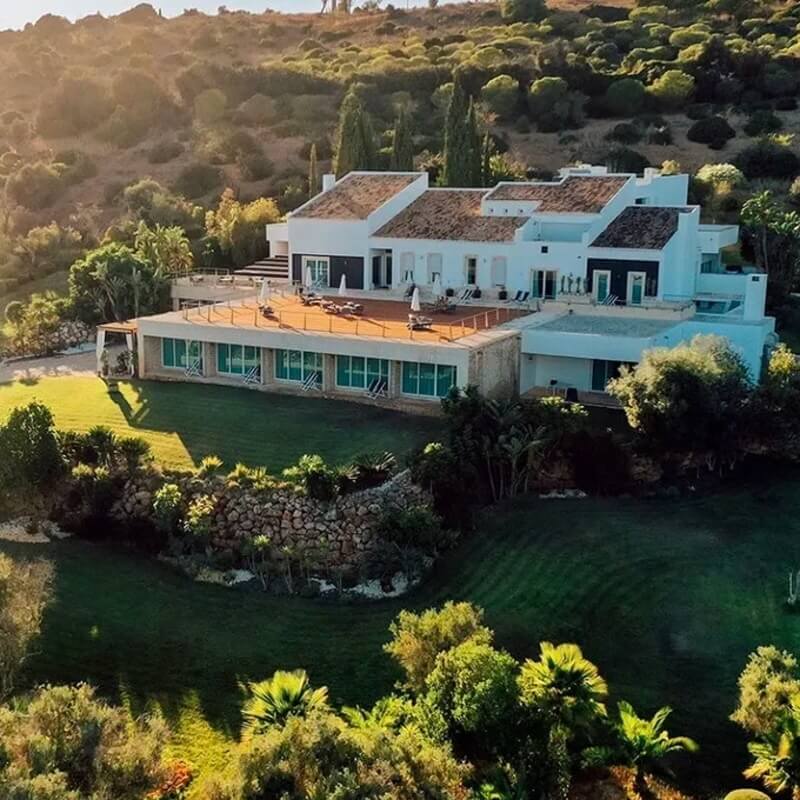 Vila Valverde Design Country Hotel design-conscious couples Booking.com Expedia
Last reviewed: