
Who this is for
You eat for the experience, not just the fuel. You want to understand what makes Algarve food different: the morning fish catch, the copper cataplana, the octopus capital, the wine estates that are quietly competing with the Douro. This itinerary covers the eastern and central Algarve's strongest food territory with two bases and visits to wineries, markets, and the restaurants that locals actually eat at.
You'll need a rental car, especially for the wine estates. Designate a driver for the tasting days, or book a guided wine tour with transport included.
Best months: September and October are peak: grape harvest at the estates, sardine season winding down, restaurant kitchens in rhythm after summer, seasonal figs and carob at the markets. May and June are also strong. Avoid August: restaurants are stretched thin and the heat discourages long lunches.
Days 1–2: Eastern Algarve (base in Faro)
Day 1: Olhão fish market and Faro old town
Drive from Faro Airport to Olhão: 16 minutes (15km)
Head straight to Olhão and the waterfront fish markets: two pavilions on the harbour, one for fish, one for fruit and vegetables. Arrive before noon for the best selection: whole sea bream on ice, razor clams, octopus, crates of sardines. This is the Algarve's largest working fishing port, and what you see here sets the menu across the region.
Lunch at one of the waterfront restaurants behind the market. The seafood rice (arroz de marisco) is the house speciality at most: wet, soupy, and served from the pot. See Where to Eat in Olhão.
Afternoon: drive to Faro and walk the walled Cidade Velha. The old town is compact: the cathedral, the Chapel of Bones, and the marina waterfront fill a couple of hours. Evening: eat in Faro. The university crowd keeps the restaurant scene sharper than the resort towns. See Where to Eat in Faro.
Where to stay in Faro
Faro's old town puts you within walking distance of the best restaurants and the marina for morning boat trips. These three suit a food-focused stay.
Casa Apollo Guesthouse
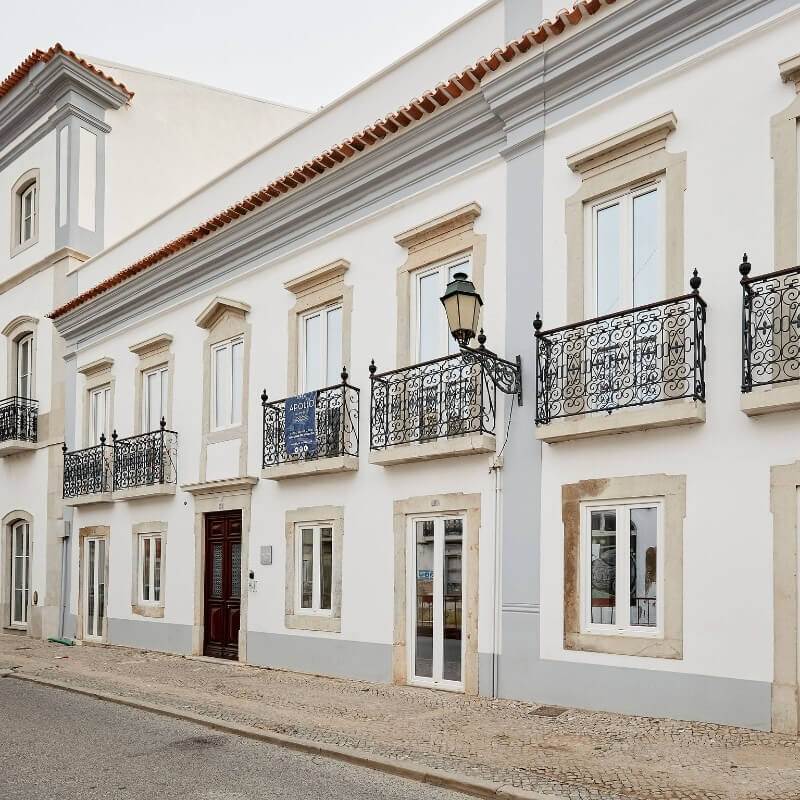
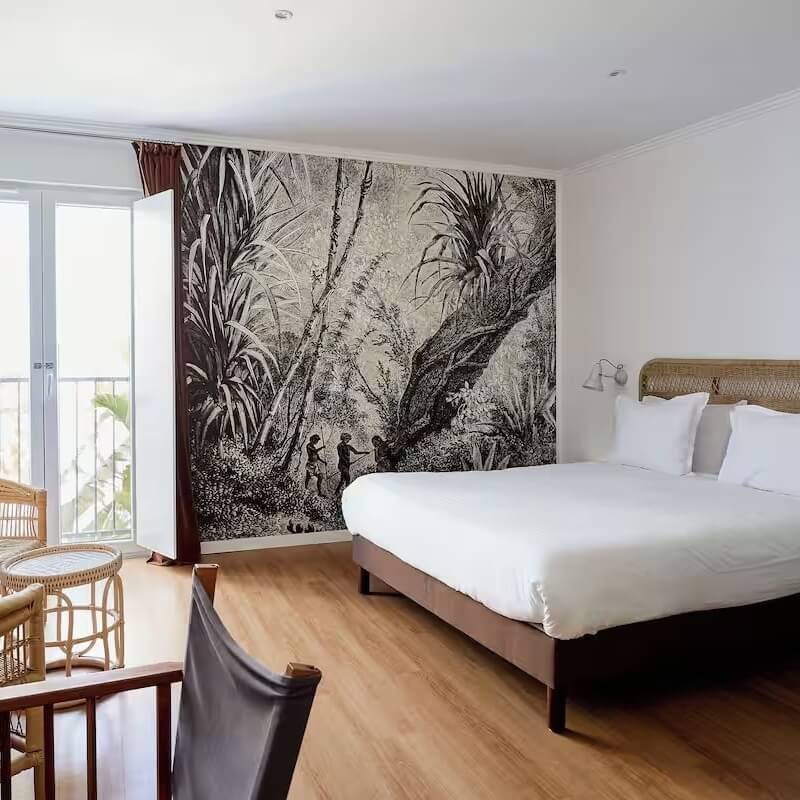
An adults-only B&B with just two rooms, offering an intimacy that Faro's larger hotels can't match. White interiors, crisp linens, a walled garden with a pool, and an owner who treats guests like house visitors rather than bookings. The 4.9 Google rating from nearly 250 reviews tells the story: personal service at this scale is hard to fault. The location in central Faro puts the old town and marina within walking distance. The trade-off is availability — two rooms means booking well ahead — and the absence of hotel amenities (no restaurant, no concierge, no room service). For couples wanting a romantic base in Faro, it's the most distinctive option.
Best for: couples wanting adults-only intimacy, those preferring guesthouses over hotels, romantic breaks
Check this stay at Booking.com Expedia
Website · Map
Hotel Occidental Faro
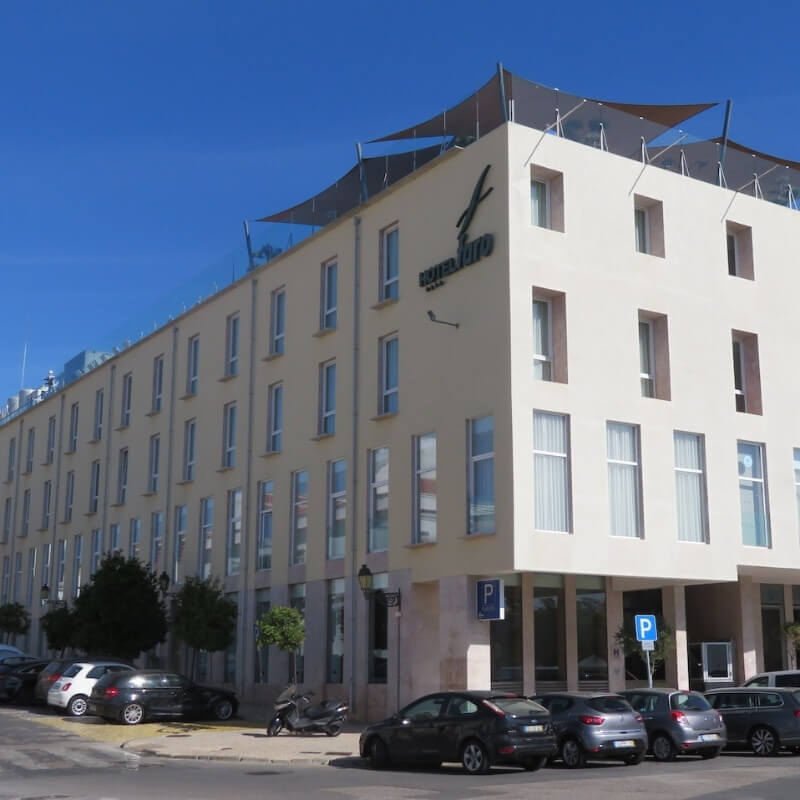
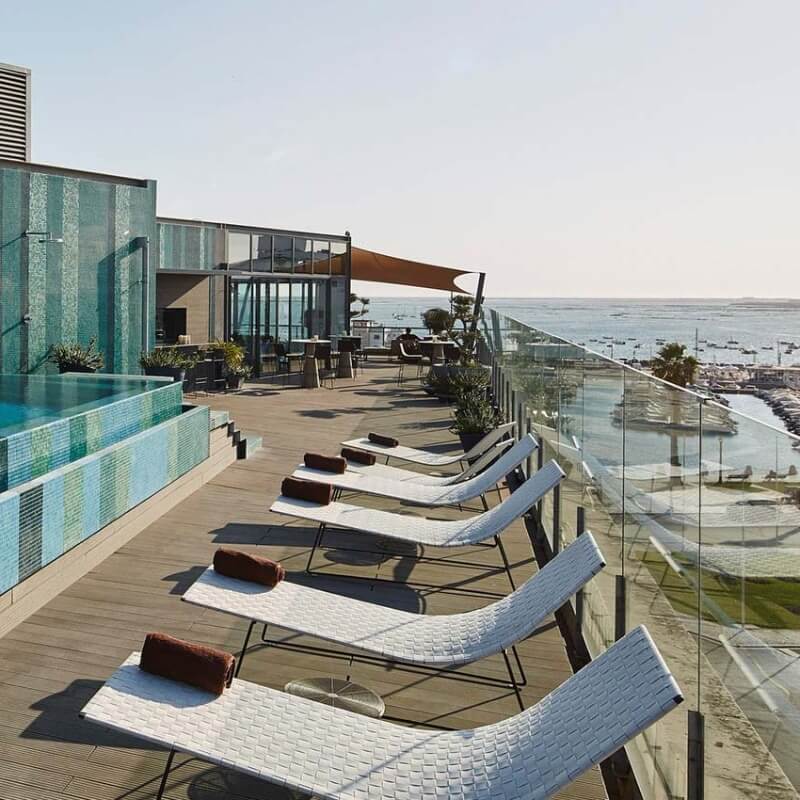
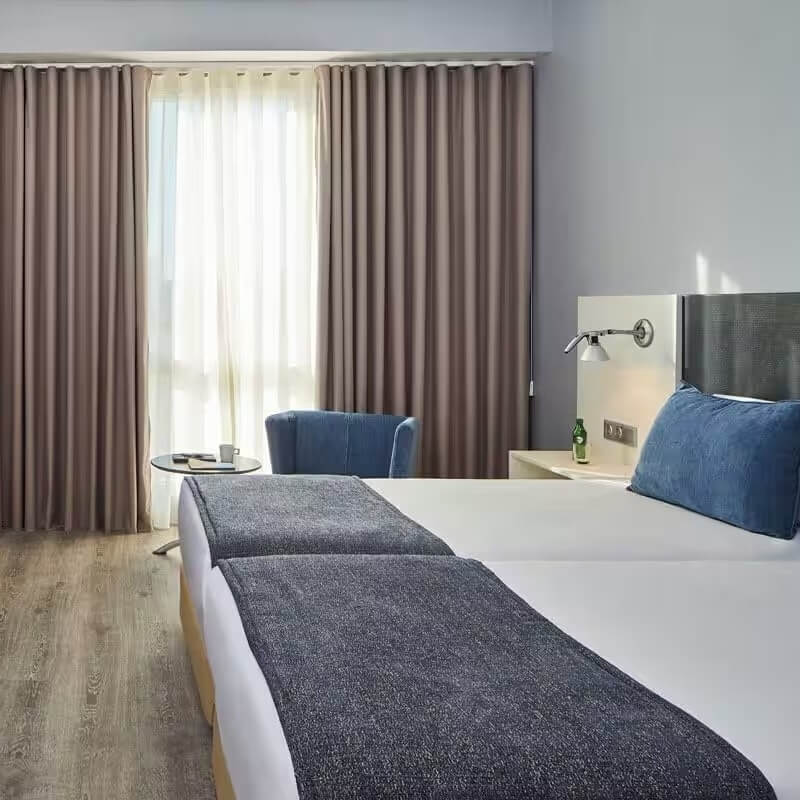
The clever proposition in Faro's hotel market. Hotel Faro addresses the city's main drawback (no beachfront) by bundling a central city hotel with a beach club on Ilha de Faro. Guests get urban convenience (old town walkable, restaurants on the doorstep, rooftop bar with views) plus shuttle access to a private beach setup on the barrier island. The hotel itself sits on the harbour, slightly smaller and more personal than AP Eva next door. The rooftop here competes directly with Eva's, and on sunset evenings, it's the better of the two.
Best for: visitors wanting both city and beach, families, couples who don't want to choose between urban and coastal
Check this stay at Booking.com Expedia
Website · Map
Oakmoon House
Contemporary apartment-style accommodation 200 metres from Faro's centre, with well-designed rooms featuring murals, a shared modern kitchen, and communal lounge. The interiors are sharp and well-maintained. The location works for the old town, marina, and airport access. The trade-off is the shared kitchen — bedrooms and bathrooms are private, but cooking is communal, which won't suit everyone. No pool, and parking is difficult in central Faro. For city breakers, solo travellers, or couples wanting a few nights near the airport, it's a good-value base with consistent guest ratings above 9.0.
Best for: city breakers wanting a walkable Faro base, solo travellers and couples near the airport, those who value design over hotel amenities
Check this stay at Booking.com Expedia
Airbnb · Map
Day 2: Wine estates in Silves and Lagoa
Drive from Faro to Silves: 58 minutes (59km)
The central Algarve between Silves and Lagoa holds the greatest concentration of wineries; you can visit three in a morning without driving more than 20 minutes between them.
Start at Quinta dos Vales in Estômbar (the largest estate, daily tastings from €20) or Quinta do Francês in the Silves hills (smaller, more personal, €8 per person). If you want the premium experience, book Quinta dos Sentidos by appointment — a boutique operation producing 14,000 bottles annually, visits feel more private tour than commercial tasting. See the full wine tours guide for all estates.
Between tastings, drive into Silves town. The red sandstone Moorish castle on the hilltop is the largest in the Algarve, and the narrow streets below have simple restaurants where the menu do dia runs €8–12. See Where to Eat in Silves.
Drive back to Faro for the night.
Days 3–4: Tavira and the octopus coast (base in Tavira)
Where to stay in Tavira
Tavira has the Algarve's strongest cluster of heritage accommodation — converted convents, palaces, and townhouses. Walk to the octopus restaurants and the island ferry from all three.
Pousada Convento de Tavira
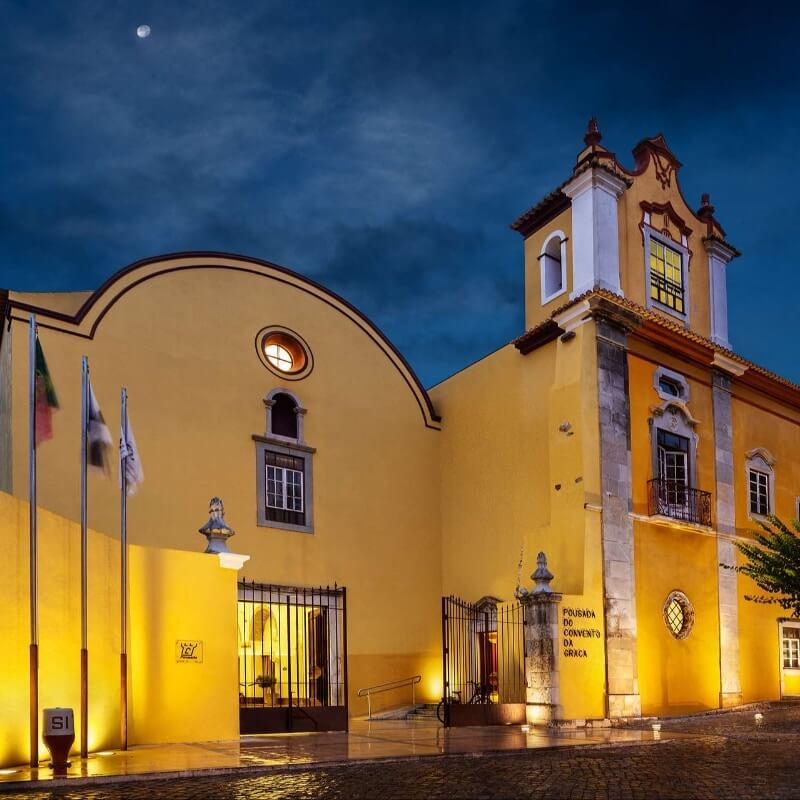
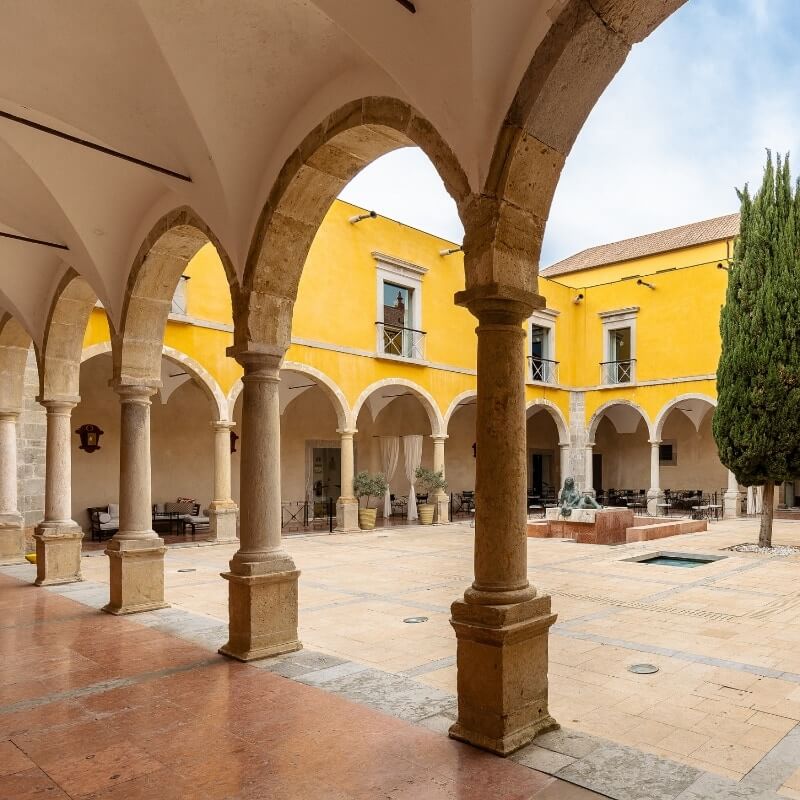
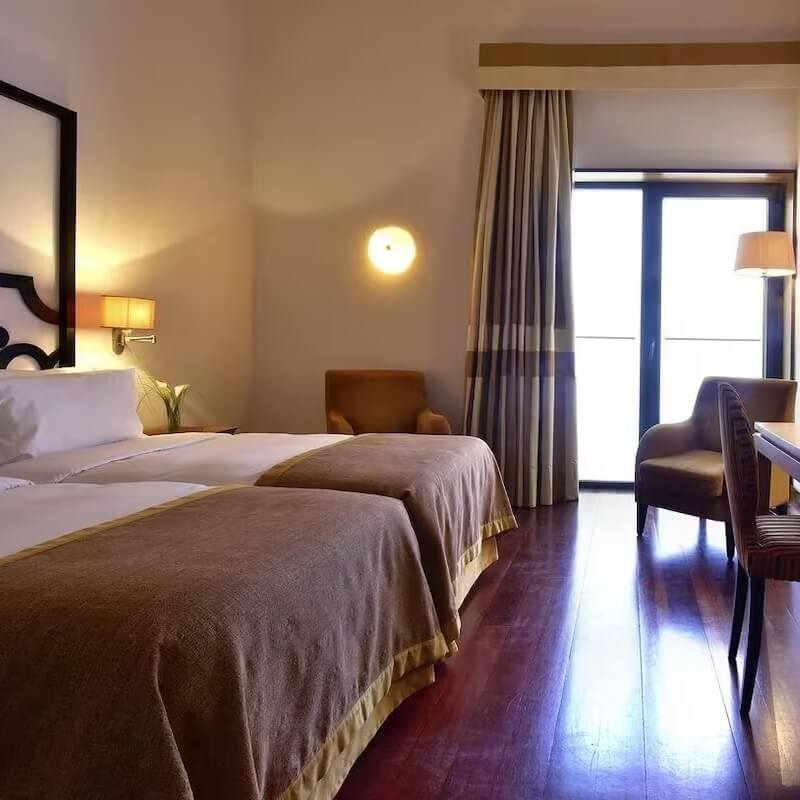
The heritage anchor for the entire municipality. This beautifully converted 16th-century convent delivers the kind of atmospheric accommodation that can't be replicated in new construction. The cloister, the chapel, the weight of history — these create an experience that justifies Tavira's reputation for elegance. Service and facilities are refined without being stuffy, and the courtyard garden provides a calm retreat from the summer streets. The trade-off is price: you're paying a premium for atmosphere, and the rooms in the modern extension lack the character of the convent quarters. Book the original wing if it's available — the difference in atmosphere is worth the request.
Best for: heritage lovers, couples, special occasions, those seeking atmospheric accommodation
Check this stay at Booking.com Expedia
Website · Map
Palácio de Tavira
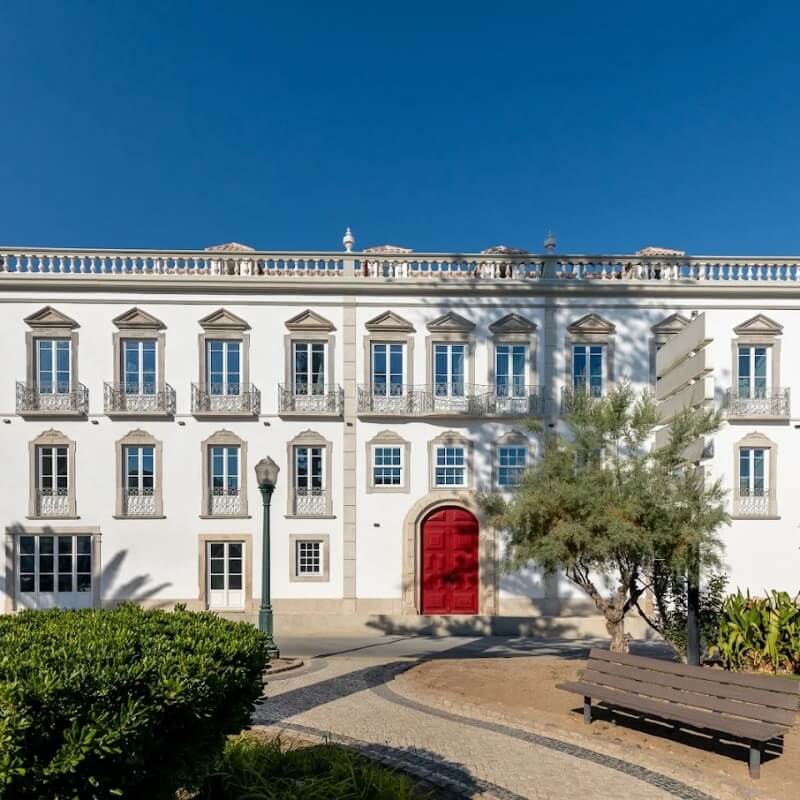
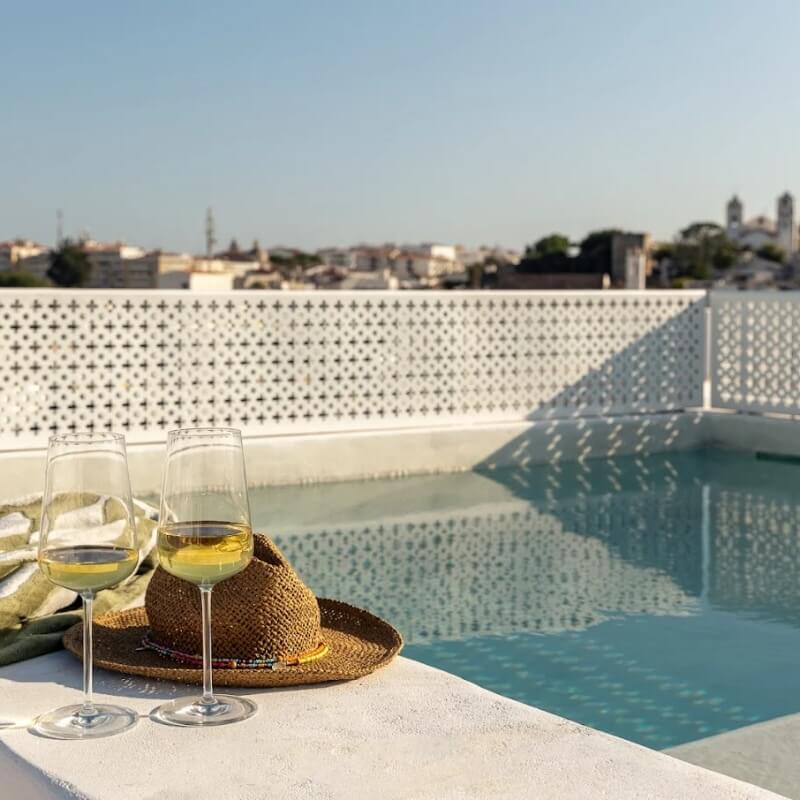
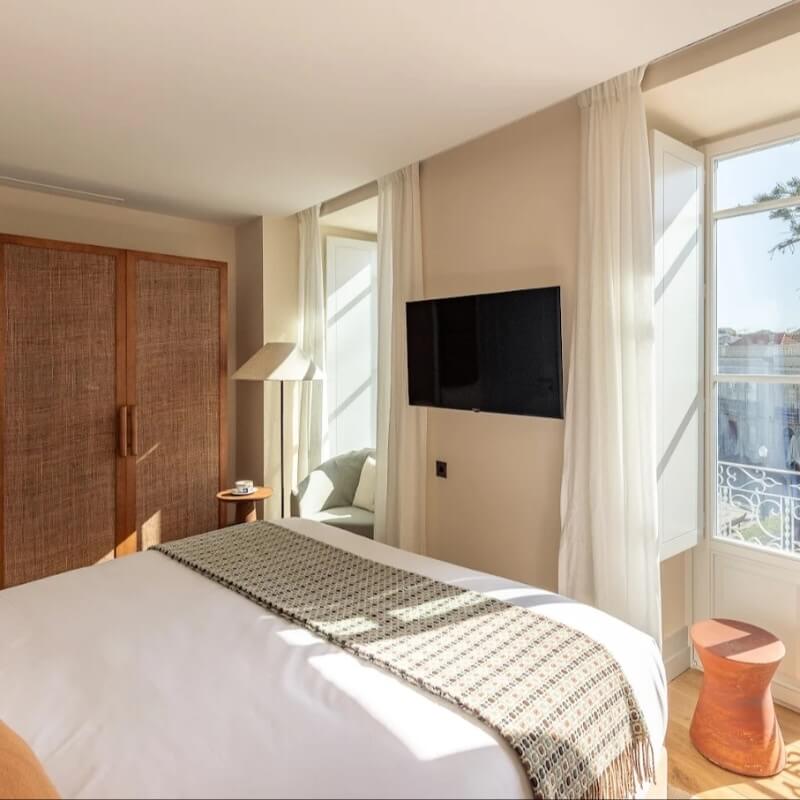
The newest luxury addition to Tavira's old town, installed in a grand 18th-century villa with modern interiors, a seafood restaurant, and two rooftop pools. The conversion is ambitious: five-star facilities in a heritage shell, which puts it in direct competition with the Pousada for Tavira's luxury market. The seafood restaurant adds a dining dimension that few Tavira hotels attempt, and the rooftop pools provide the kind of facility that the Pousada's courtyard pool can't match. Still establishing its reputation — the Google rating is strong but from limited reviews — so service consistency may still be evolving. For luxury seekers wanting something newer than the Pousada.
Best for: luxury seekers wanting central heritage, food lovers with fine dining on-site, couples, special occasions
Check this stay at Booking.com Expedia
Website · Map
Convento das Bernardas Residence
A 16th-century Cistercian convent restored by Pritzker Prize-winning architect Eduardo Souto de Moura into holiday apartments overlooking the salt flats and Ria Formosa. The architecture alone justifies attention — the conversion preserves the cloister, the convent proportions, and the relationship with the landscape while adding contemporary comforts. Two-bedroom apartments with full kitchens, private terraces, and two saltwater pools. The complex operates under mixed ownership, with different management companies handling different units, which means quality can vary depending on who manages your specific apartment. Ask about the operator when booking. A 5–10 minute walk from the old town centre.
Best for: architecture lovers drawn to Souto de Moura's restoration, self-catering visitors wanting heritage character in Tavira, couples and families needing apartment space near the old town
Check this stay at Booking.com Expedia
Website · Map
Day 3: Move to Tavira, Santa Luzia octopus
Drive from Faro to Tavira: 35 minutes (40km)
Check out of Faro and drive east to Tavira. Cross the Roman bridge, climb to the castle for the rooftop views, and walk the old town: wrought-iron balconies, 37 churches, and the kind of unhurried atmosphere that the western Algarve has largely lost.
Lunch: drive 5 minutes west to Santa Luzia, the self-proclaimed octopus capital of the Algarve. The village sits on the lagoon edge with a row of waterfront restaurants that all serve polvo in every form: grilled, roasted (à lagareiro), in rice, in salad. The octopus is caught by the village fleet using traditional clay pots. Order the polvo à lagareiro and don't rush.
Afternoon: take the ferry from Tavira's town quay to Ilha de Tavira. Walk east from the ferry landing for quieter sand. The island beach is long, flat, and backed by dunes, a good place to let lunch settle.
Day 4: Tavira market, cataplana, departure
Morning: visit the Mercado da Ribeira in Tavira, smaller than Olhão's but less touristed. The fish section is worth a look even if you're not cooking. The surrounding streets have bakeries selling traditional almond sweets — Dom Rodrigos, morgados, and marzipan fruits shaped like Algarve produce.
For your final lunch, order a cataplana — the copper clam-shaped pot that defines Algarve cooking. The seafood version (cataplana de marisco) needs two people and 20 minutes to prepare; order it when you sit down. See Where to Eat in Tavira.
Drive from Tavira to Faro Airport: 35 minutes (40km)
Practical notes
- Car hire: Essential for the wine estates. The eastern Algarve is flat and easy to drive. Designate a driver on Day 2 or book a guided wine tour with transport.
- Accommodation: Faro for days 1–2 (central, good restaurants), Tavira for days 3–4 (quieter, more character). Both have boutique guesthouses from €80–150/night.
- Restaurants: Book dinner in advance June–September. Lunch is usually walk-in except at the most popular Olhão and Tavira waterfront spots. The menu do dia at local restaurants (€8–15 for soup, main, drink, coffee) is the best-value meal in the Algarve.
- Wine tastings: Most estates require or prefer reservations. A day's notice is usually enough outside August. Tastings run €8–60 per person depending on the estate and tier.
- Market mornings: Olhão and Tavira markets are best before noon on weekday mornings. Best fish is Tuesday–Saturday; fishermen rest Sundays.
- Budget: €80–150/night accommodation, €40–70/day food and wine tastings. Total €120–220/day per person.
- Flights: September and October have the best fares and weather. If your flight is delayed or cancelled, EU regulations entitle you to up to €600 compensation.
Last reviewed: