
Who this is for
You've booked flights to Faro and you have a week. You want to see the best of the Algarve without spending half the trip in a car. This itinerary covers the eastern lagoons, the dramatic central cliffs, and the wild west coast — with two bases so you're never driving more than an hour in a day.
You'll need a rental car. Pick it up at Faro Airport on arrival and drop it back on day 7. Driving in the Algarve is easy: the A22 motorway runs east–west (tolled), and the N125 is the slower, free alternative.
Best months: May, June, September, and October. July works too but is hotter and busier. Avoid August if you can: the beaches are packed and prices peak.
Days 1–3: Eastern Algarve (base in Faro)
Day 1: Arrive and explore Faro
Drive from airport to Faro centre: 10 minutes (7km)
Pick up your car and drive straight to the old town; it's barely 10 minutes from the terminal. Check into your accommodation and walk through the Arco da Vila into the walled Cidade Velha. Quiet cobbled streets, the 13th-century cathedral with its rooftop views across the lagoon, and the unsettling Chapel of Bones behind the Carmo Church. Climb the 68 steps to the bell tower; on clear days you can see the barrier islands and the open Atlantic.
In the evening, head to the marina waterfront for dinner. The university crowd keeps Faro's restaurant scene sharper and better value than the resort towns. See Where to Eat in Faro.
Where to stay in Faro
Faro is the most practical base for the eastern Algarve. You're within 35 minutes of Tavira and Olhão, and the old town has better-value restaurants than the resort strip. These three cover different budgets and styles.
Hotel Occidental Faro
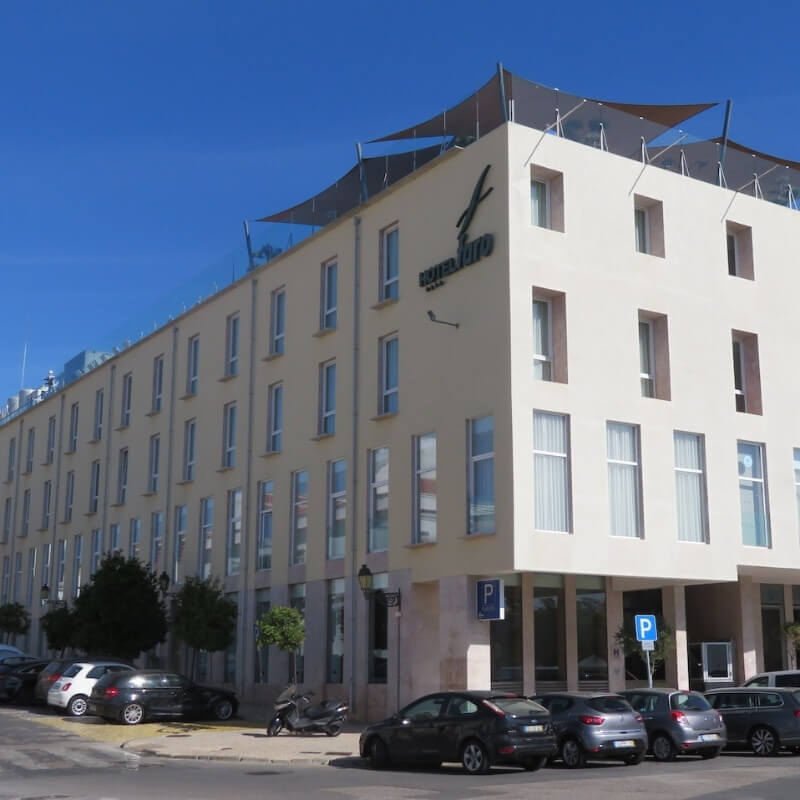
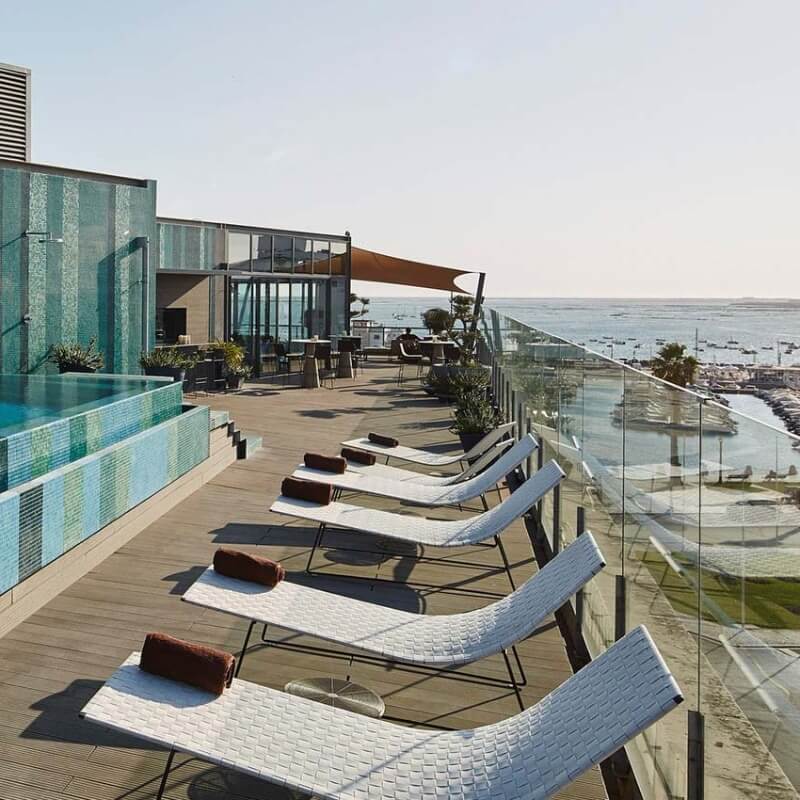
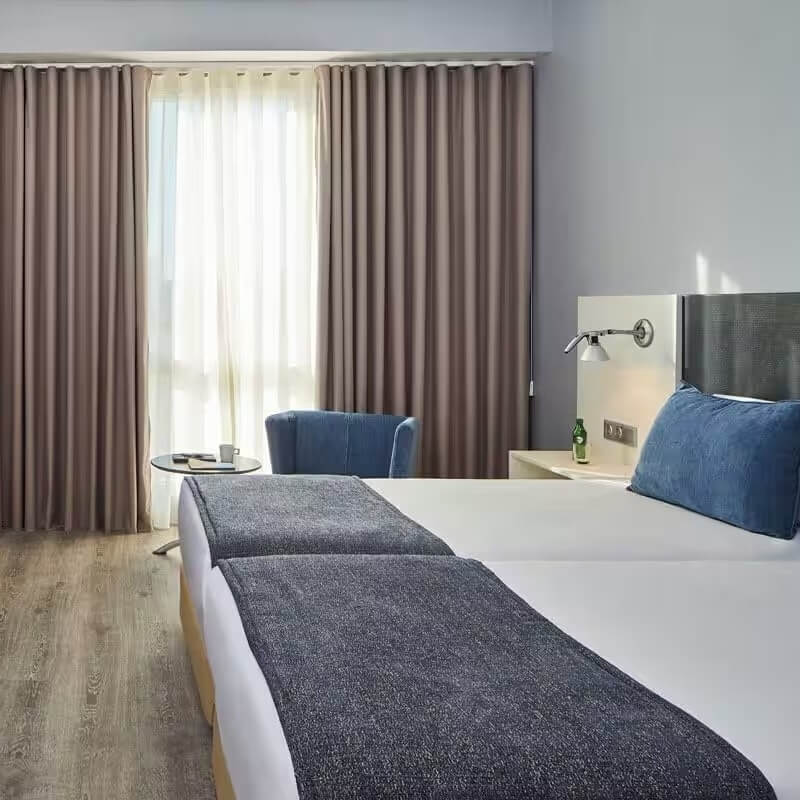
The clever proposition in Faro's hotel market. Hotel Faro addresses the city's main drawback (no beachfront) by bundling a central city hotel with a beach club on Ilha de Faro. Guests get urban convenience (old town walkable, restaurants on the doorstep, rooftop bar with views) plus shuttle access to a private beach setup on the barrier island. The hotel itself sits on the harbour, slightly smaller and more personal than AP Eva next door. The rooftop here competes directly with Eva's, and on sunset evenings, it's the better of the two.
Best for: visitors wanting both city and beach, families, couples who don't want to choose between urban and coastal
Check this stay at Booking.com Expedia
Website · Map
Pousada Palácio de Estoi
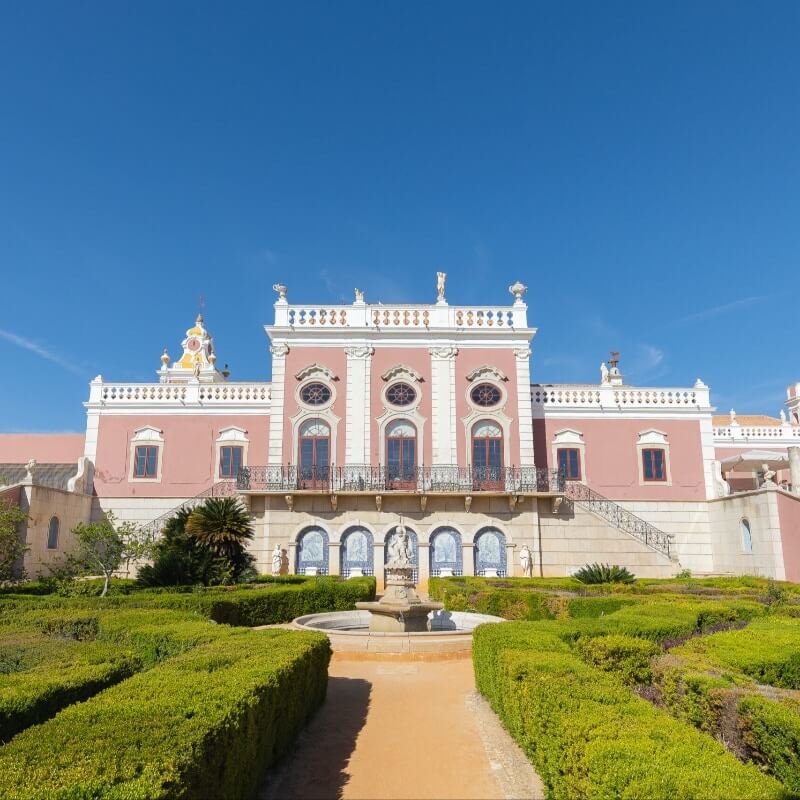
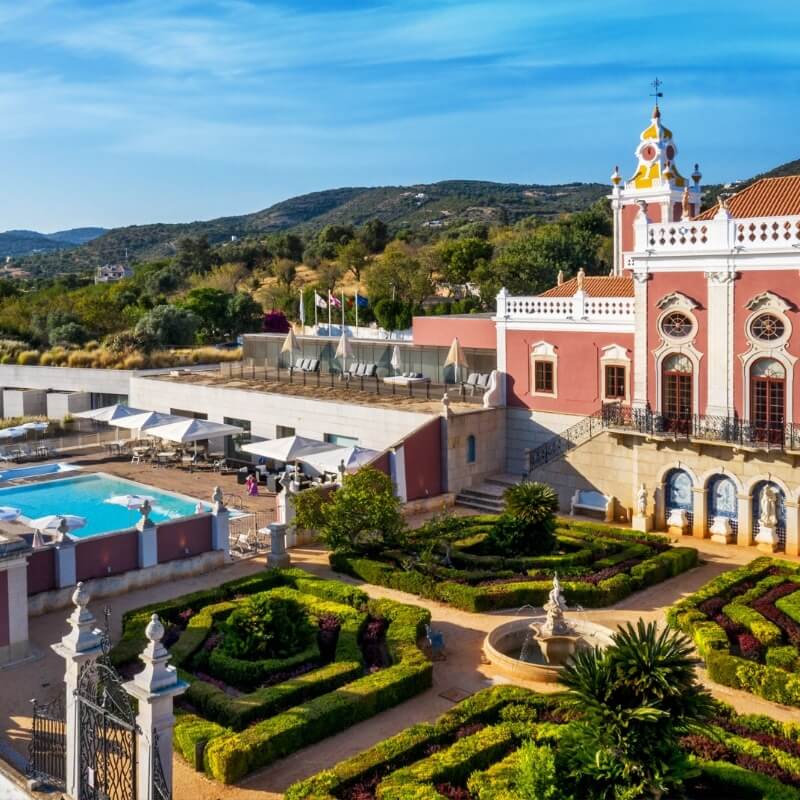
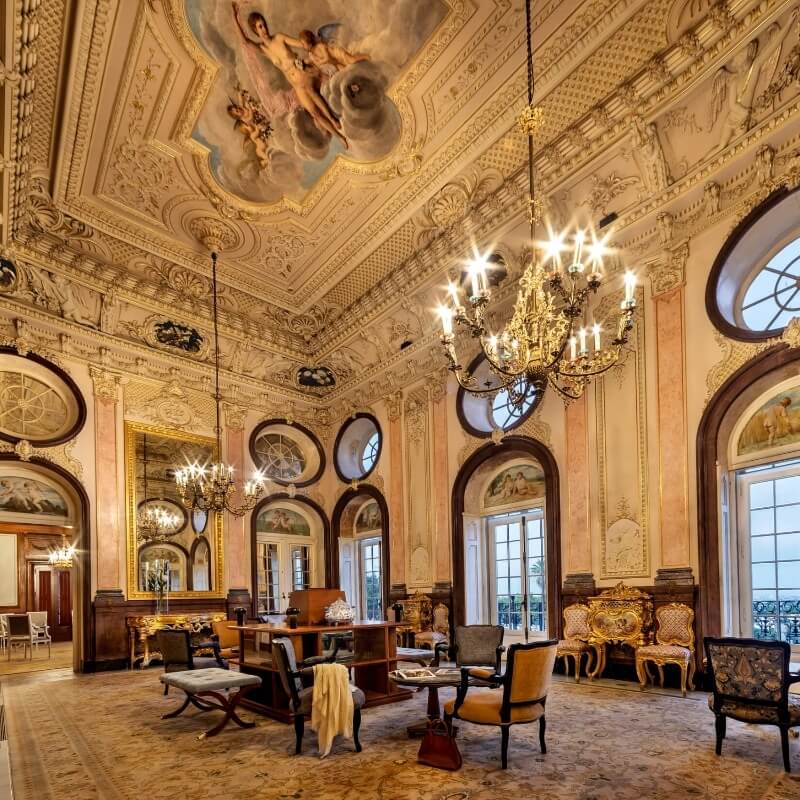
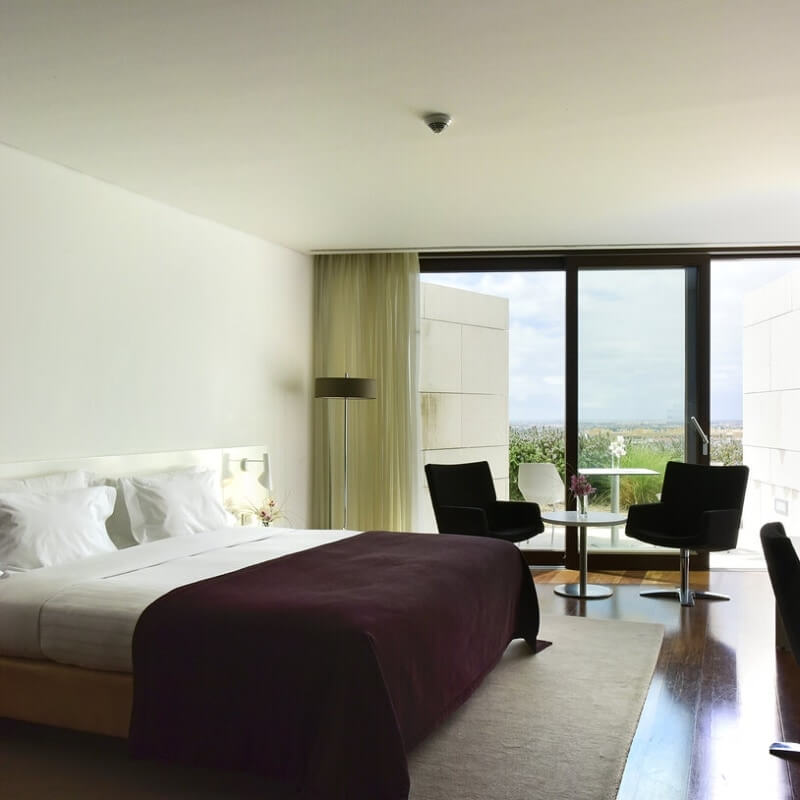
The property that justifies a trip to the Faro municipality even if you'd never considered staying here. This 19th-century palace in the village of Estoi has been converted into a *pousada* (historic state hotel) without losing its character: rococo interiors, *azulejo*-covered walls, formal gardens with fountains and statuary, and the unmistakable feeling of staying somewhere with centuries of history soaked into the stone. The rooms in the palace wing have the atmosphere; the modern extension has the space and facilities. Service is attentive without being stiff.
The trade-off is location. Estoi is 10km from Faro and has limited dining and no beach. You need a car for everything. But for travellers who prioritise where they sleep over where they swim, there's nothing else quite like it in the Algarve. Book well ahead in summer. The palace wing rooms go first.
Best for: heritage enthusiasts, special occasions, couples seeking atmosphere over convenience
Check this stay at Booking.com Expedia
Website · Map
Roots Hotel
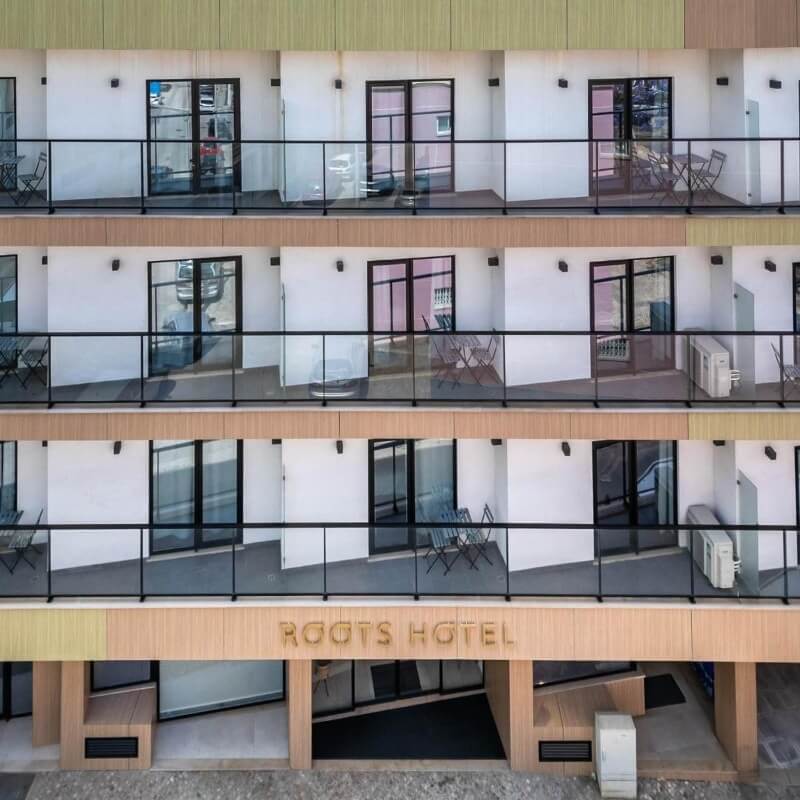
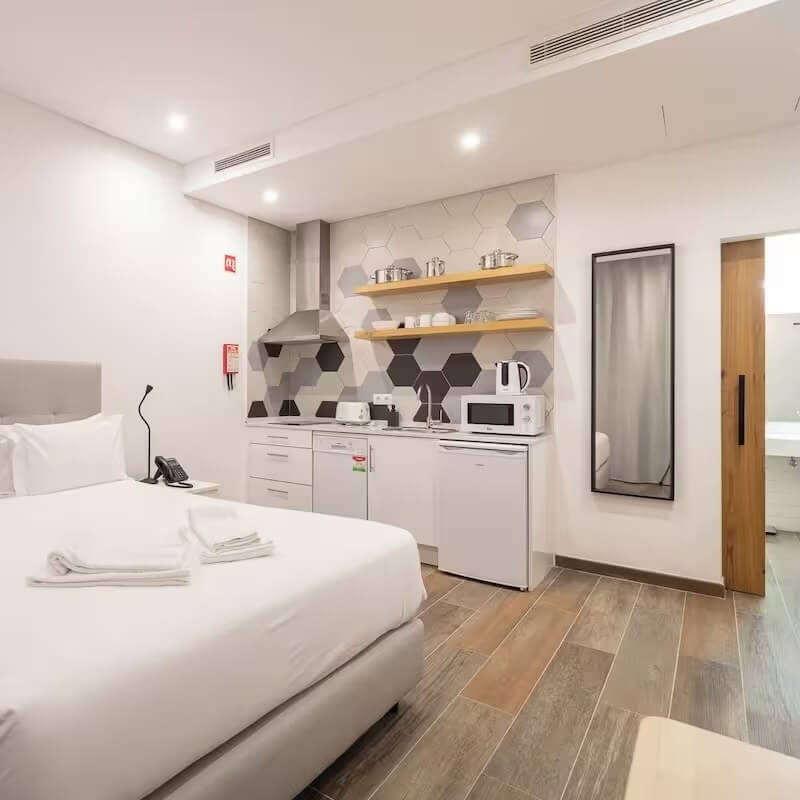
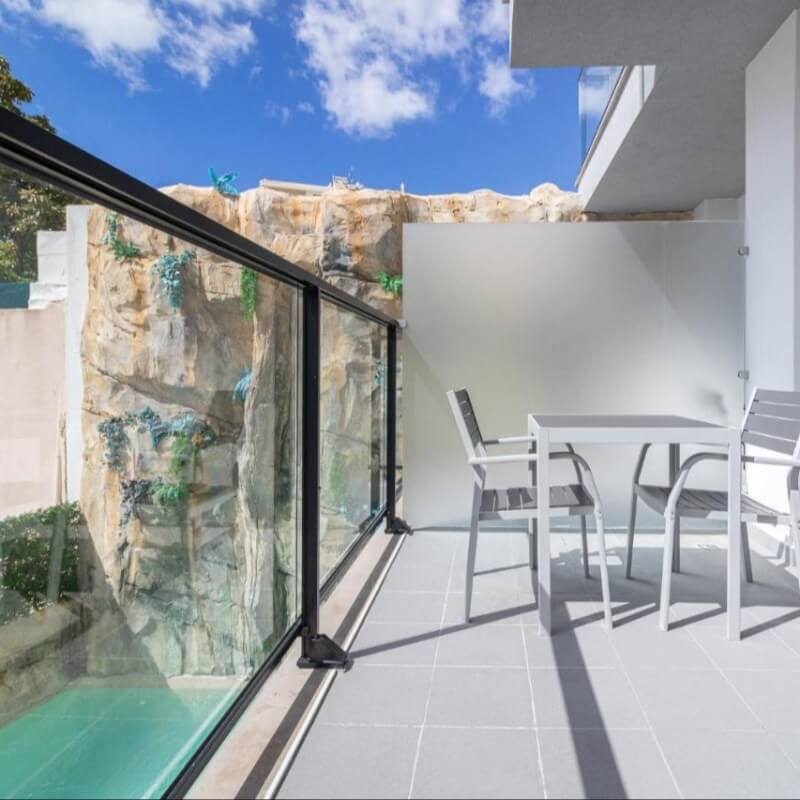
A mid-range hotel in central Faro that offers notably better value than the waterfront properties. Rooms are modern and well-maintained, the breakfast is above average for the price, and the central location puts the old town, university quarter, and bus station within easy reach. It fills a gap between the budget guesthouses and the harbour-front four-stars, offering contemporary comfort without the marina premium. The guest profile mixes business travellers, couples, and visitors using Faro as an eastern Algarve base. No pool or spa, but the practical amenities — wifi, parking, breakfast — are handled well. Sensible rather than exciting.
Best for: budget-conscious travellers, solo visitors wanting a central base, those passing through near the airport
Check this stay at Booking.com Expedia
Website · Map
Day 2: Ria Formosa and Olhão
Drive from Faro to Olhão: 16 minutes (15km)
Morning: take a boat trip from Faro marina into the Ria Formosa Natural Park. The eco-tours head through the lagoon channels past oyster farms, with flamingos wading in the shallows and the barrier islands ahead. If you'd rather be active, a kayak tour through the lagoon at low tide gets you closer to the birdlife.
Afternoon: drive to Olhão. Cubist, flat-roofed houses that look more North African than Portuguese. Walk the backstreets, then head to the waterfront fish markets for the freshest seafood in the region. If you have time, catch a ferry to Ilha da Culatra, a genuine fishing village on a barrier island with uncrowded beaches.
Evening: the waterfront restaurants in Olhão serve what was caught that morning at lower prices than Faro's marina. See Where to Eat in Olhão.
Day 3: Tavira
Drive from Faro to Tavira: 35 minutes (40km)
Cross the Roman bridge over the Gilão River, climb to the castle for views over the rooftops and 37 churches, and wander the cobbled lanes where wrought-iron balconies hang over narrow streets. Visit the Camera Obscura in the old water tower for a live panoramic view of Tavira.
After lunch, take the ferry from the town quay to Ilha de Tavira — a long barrier island beach with no cars, no high-rises, just sand and dunes. The western end (accessed via the Quatro Águas ferry) is busiest; walk east for 15 minutes and you'll have space to yourself.
Drive back to Faro for the night.
Day 4: Move west via Loulé and the cliffs
Drive from Faro to Loulé: 19 minutes (18km) Drive from Loulé to Lagos: 1 hour (70km via A22)
Check out of Faro and drive to Loulé for the morning. If it's a Saturday, the covered market is unmissable: stalls piled with dried figs, local honey, cured meats, and the morning fish catch. Even on other days, the old town's Moorish castle, craft workshops on Rua da Barbacã, and the backstreet cafés are worth an hour.
Then take the A22 west. On the way to Lagos, detour to Praia da Marinha. The cliff-top viewpoint alone is worth the stop, and if you have time, the walk along the Seven Hanging Valleys Trail east toward Praia de Vale Centeanes is one of the strongest coastal paths in the region (5.7km one-way, allow 2 hours).
Continue to Lagos and check into your second base. Walled old town streets, a strong restaurant scene, and nightlife with a local crowd rather than a resort strip.
Days 5–7: Western Algarve (base in Lagos)
Where to stay in Lagos
Lagos has the strongest range of accommodation in the western Algarve. A central old-town base lets you walk to dinner and the marina without moving the car. These three suit a first visit.
Lagos Avenida Hotel
A 46-room hotel on Lagos's main avenue overlooking the marina, with a heated saltwater rooftop infinity pool and bar that have become a draw in their own right. The Michelin-listed Avenida restaurant adds genuine dining credibility — local seafood with a contemporary Portuguese approach. The Old Town is a short walk across the pedestrian bridge, the marina is directly below, and the building itself is contemporary and well-finished. Under-12s are not admitted, which keeps the atmosphere adult and calm. The trade-off is room size: open-plan bathroom layouts maximise space and light but sacrifice privacy, and rooms are compact by resort standards. At €€€, it's well-positioned between boutique intimacy and chain convenience. For couples wanting a central, walkable Lagos base with a serious restaurant and rooftop views, it's one of the better options.
Best for: couples wanting a central base with rooftop views, marina lovers, visitors who prefer walking to everything over resort isolation
Check this stay at Booking.com Expedia
Website · Map
Cascade Wellness Resort
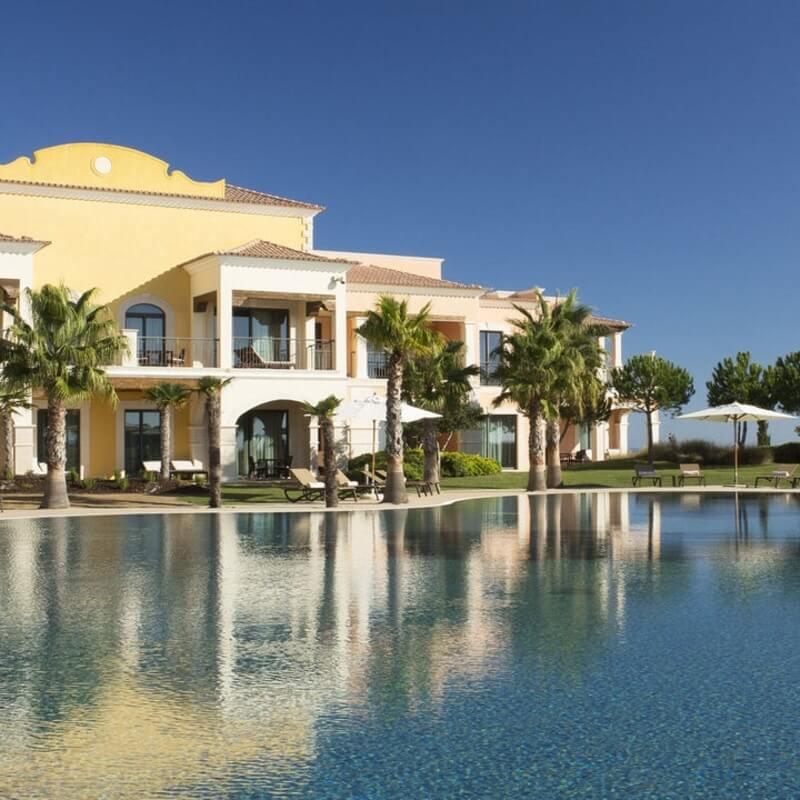
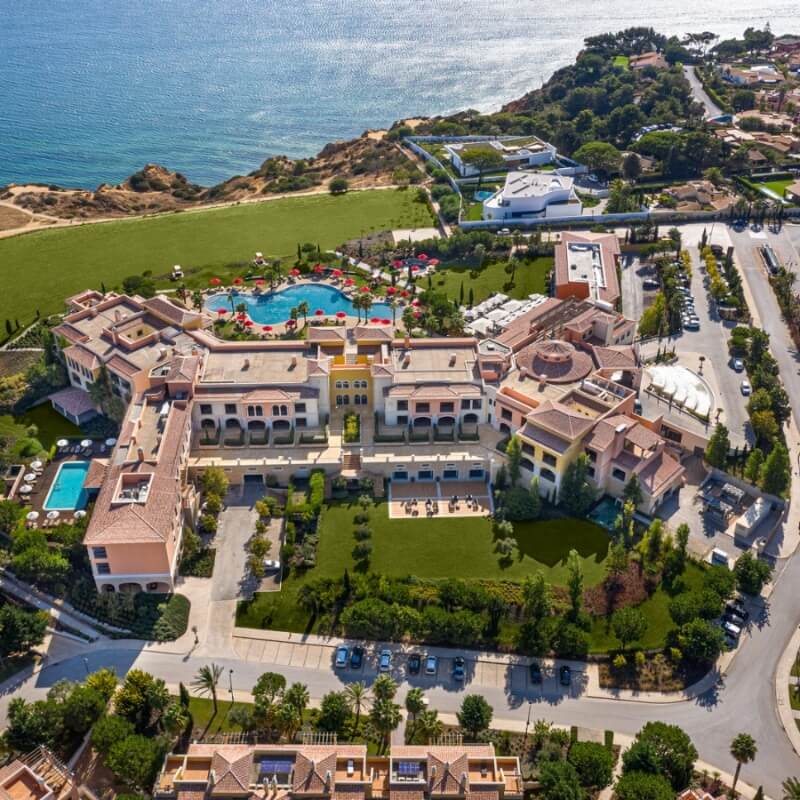
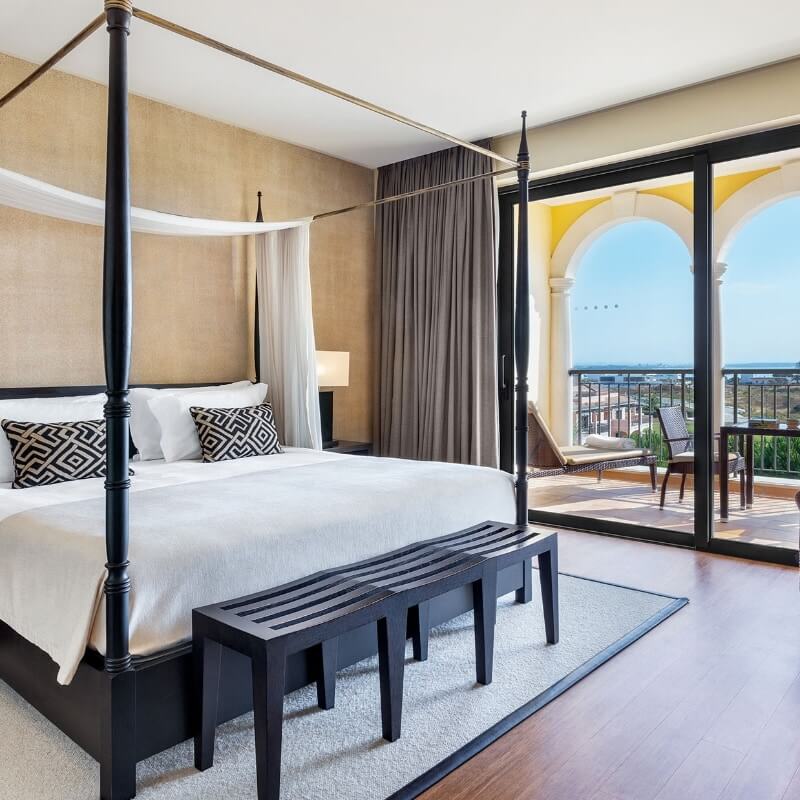
The destination resort for this stretch of coast. Set on the cliffs between Lagos and Luz, Cascade combines substantial facilities (multiple pools, a full spa programme, and several restaurants) with a wellness philosophy that goes beyond the standard hotel spa offering. The cliff-top location delivers dramatic coastal views, and the property functions as a self-contained world: you can spend several days without leaving. The atmosphere is more refined than the big package resorts further east, with a guest profile that skews toward wellness-minded couples and active families. The trade-off is isolation; you’ll need transport to reach Lagos’s restaurants and old town, and the resort’s own dining, while good, lacks the variety of eating in town.
Best for: wellness-focused couples, active families, those who want resort facilities with character rather than corporate scale
Check this stay at Booking.com Expedia
Website · Map
Hotel Marina Rio
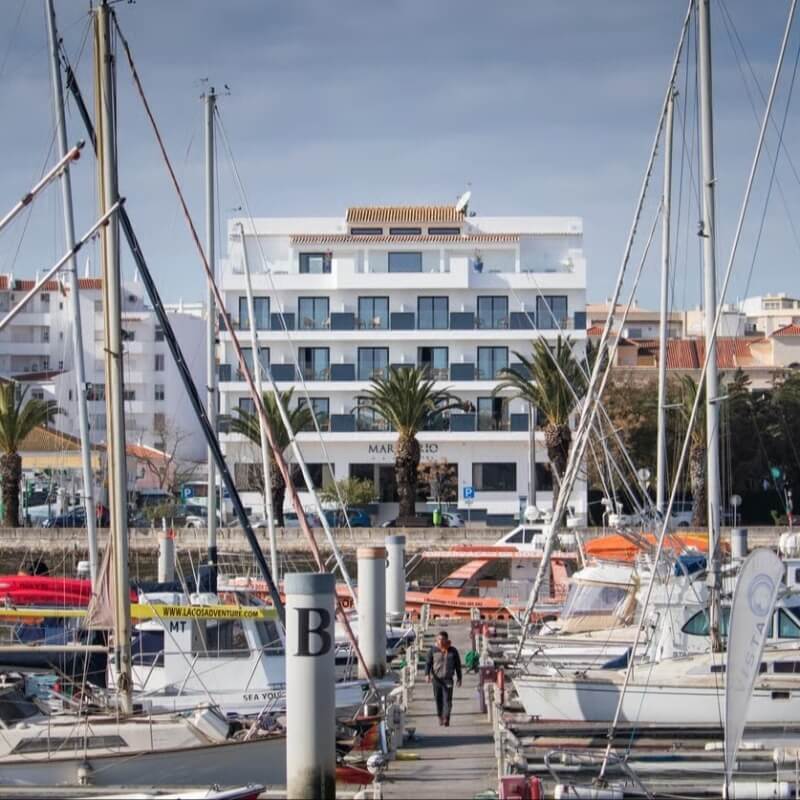
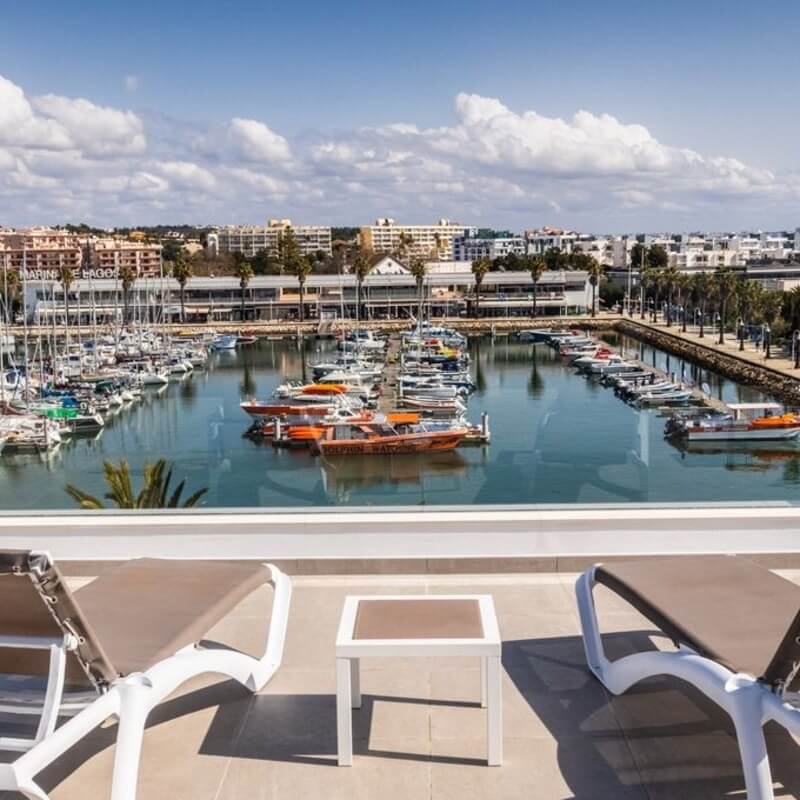
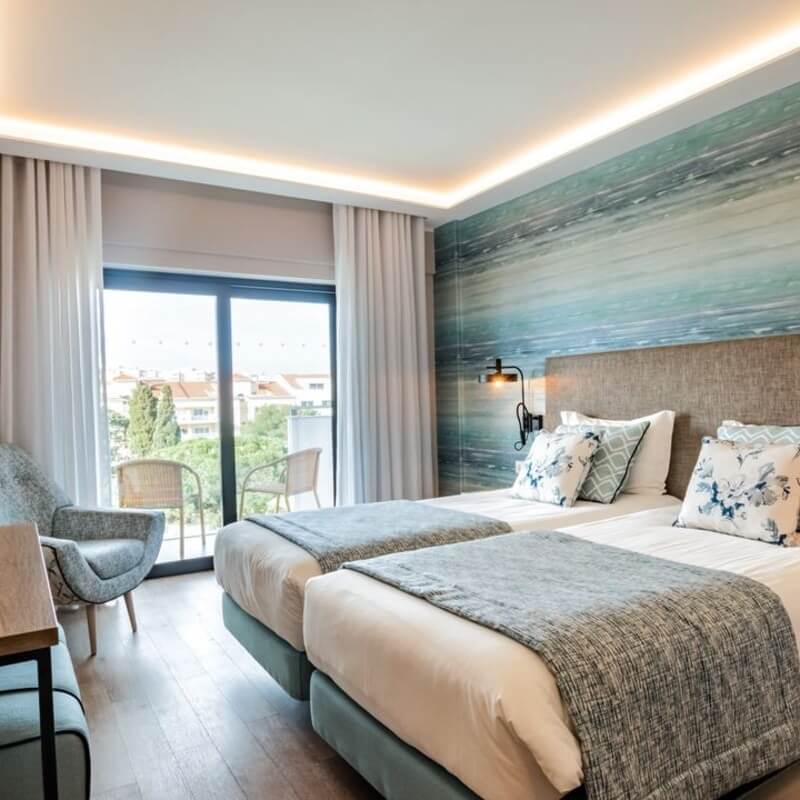
The reliable central choice that consistently draws good reviews. Overlooking the marina and river at the edge of the old town, Marina Rio puts you within easy walking distance of restaurants and bars while avoiding the narrowest, noisiest streets. Rooms are comfortable and well-maintained without being remarkable; the value lies in location and consistency rather than design ambition. The breakfast terrace has river views that justify an early start. It's the hotel equivalent of a solid recommendation: nothing flashy, nothing disappointing, dependable year after year. Recent refurbishments have kept the rooms current, and the staff know their regulars by name.
Best for: independent travellers, couples exploring on foot, short breaks without car dependency
Check this stay at Booking.com Expedia
Website · Map
Day 5: Lagos and Ponta da Piedade
No driving needed today. Walk the old town walls, visit the maritime museum, and explore the string of cove beaches south of town: Praia Dona Ana, Praia do Camilo (down steep stairs between clifftops), and the hidden Praia do Pinhão.
In the afternoon, walk or drive to Ponta da Piedade, golden sea stacks and cliff-edge viewpoints at their best in the late afternoon light. Climb down the 182 steps to the water level for a different perspective, or take a boat tour from Lagos marina that threads through the arches and grottos.
Day 6: Sagres, Cape St. Vincent, and the west coast
Drive from Lagos to Sagres: 30 minutes (32km) Drive from Cape St. Vincent to Lagos: 40 minutes (38km)
Start at the Sagres Fortress — the windswept promontory where Prince Henry the Navigator planned the voyages that opened the world's sea routes. Inside the walls, the 43-metre stone compass rose sits on bare clifftop, with the Atlantic crashing below on three sides.
Then drive the 6km to Cape St. Vincent (Cabo de São Vicente). There is nothing between here and North America. The lighthouse, the cliff edge, and the last sausage van in Europe (it's become a landmark) are worth the wind.
On the way back, stop at Praia do Tonel — Sagres's main surf beach, dramatic even if you're not surfing, or detour to Praia da Bordeira, a vast west-coast beach backed by dunes and boardwalks. Skip Bordeira if the wind is strong from the north. It's exposed.
Day 7: Silves and departure
Drive from Lagos to Silves: 35 minutes (33km) Drive from Silves to Faro Airport: 58 minutes (59km)
If your flight is in the afternoon or evening, use the morning for Silves. The red sandstone Moorish castle — the largest in the Algarve — sits on a hilltop above orange groves, with the Gothic cathedral next door. Allow 1–2 hours for the castle and a coffee in the town below. If your flight is before 2pm, skip Silves and drive directly to Faro.
For a late flight, Ilha de Faro is 10 minutes from the airport, the only barrier island you can drive to, with Blue Flag sand and restaurants for a last lunch.
Practical notes
- Car hire: Book ahead for summer. Manual cars are cheaper. The A22 toll road uses electronic tolling; set up an EASYtoll tag at the airport or rent a Via Verde device with your car.
- Accommodation: Two bases (Faro for days 1–3, Lagos for days 5–7) keeps daily driving under an hour. Book central locations in both towns so you can walk to dinner.
- Restaurants: Book dinner in advance June–September, especially in Lagos and Tavira. Lunch is usually walk-in.
- Beaches: Arrive before 10am in summer for parking and space. The cliff beaches (Marinha, Camilo, Dona Ana) fill earliest.
- Budget: Allow €100–200/night for a decent double room in shoulder season, €150–300 in peak summer. Daily meals and activities: €50–80 per person.
- Flights: Book early for summer — fares to Faro climb from May. If your flight is delayed over 3 hours or cancelled, EU regulations entitle you to up to €600 compensation.
Last reviewed: