
Who this is for
You want the raw Algarve — the Atlantic-facing west coast where cliffs drop vertically into the swell, surfers outnumber sunbathers, and the hiking trails are among the best in southern Europe. This itinerary keeps you between Lagos, Aljezur, and Sagres with two bases and minimal driving.
You'll need a rental car and a reasonable level of fitness for the cliff trails. Bring a wetsuit or rent one locally: the Atlantic is cooler than the south coast year-round (15–19°C). Surf schools at every main beach can sort equipment and lessons.
Best months: March–May and October–November. The surf is most consistent October–March (biggest swells), but spring and autumn balance good waves with warmer air and longer days. Summer works for hiking but the surf drops off and the west-coast beaches get busier.
Days 1–2: Lagos (base in Lagos)
Day 1: Arrive and explore Lagos
Drive from Faro Airport to Lagos: 1h 7 min (87km)
Pick up your car and head west on the A22. Check into Lagos and walk the old town walls; the walled centre is compact enough to cover in an afternoon. Explore the string of cove beaches south of town: Praia Dona Ana, Praia do Camilo, and the cliff paths connecting them. These are sheltered south-coast beaches, calmer water than the west coast, good for an arrival-day swim.
Late afternoon, walk or drive to Ponta da Piedade for the golden-hour light on the sea stacks.
Where to stay in Lagos
Lagos works as a base for the south-coast coves and the first west-coast beaches. The old town has good nightlife and restaurants within walking distance. These three suit the surf-and-hike crowd.
The Salty Lodge
A boutique serviced-apartment complex in the heart of Lagos's historic centre, with stylish interiors, modern kitchens, and a fifth-floor rooftop terrace overlooking Meia Praia. The lodge organises surf lessons, yoga, and kayak tours, creating a social atmosphere that suits active travellers. Daily cleaning is included but doesn't cover kitchens, and there's no service on Sundays — it's a serviced apartment, not a hotel. Summer nights bring street noise from the old town below. For young professionals, active couples, and anyone who wants a central Lagos base with a community feel and adventure-sport access, it works well.
Best for: young professionals and active travellers, surfers and adventure-sport visitors, social travellers wanting a community atmosphere
Check this stay at Booking.com Expedia
Website · Map
Cascade Wellness Resort
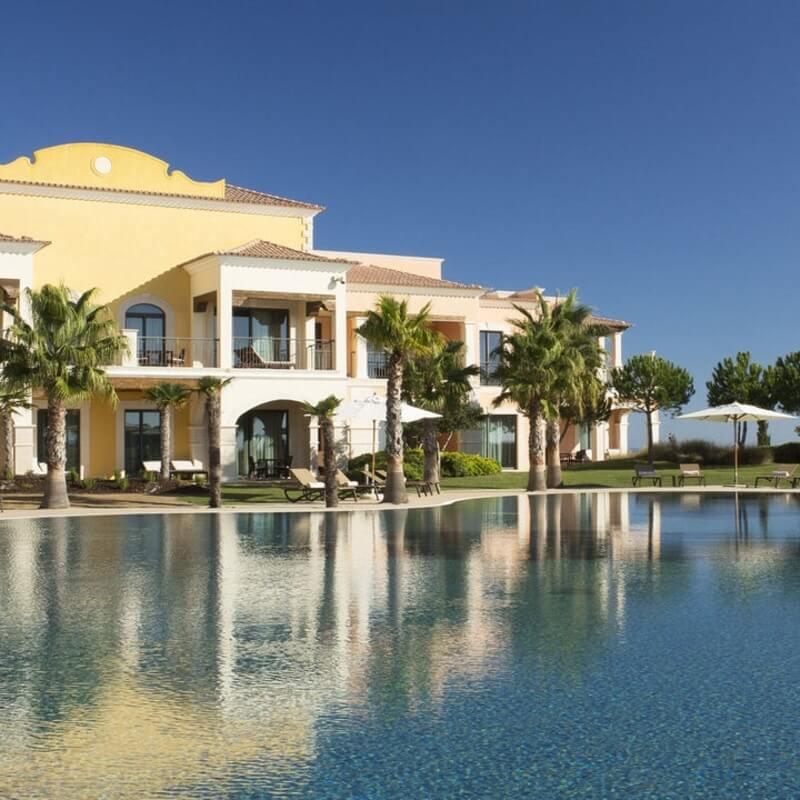
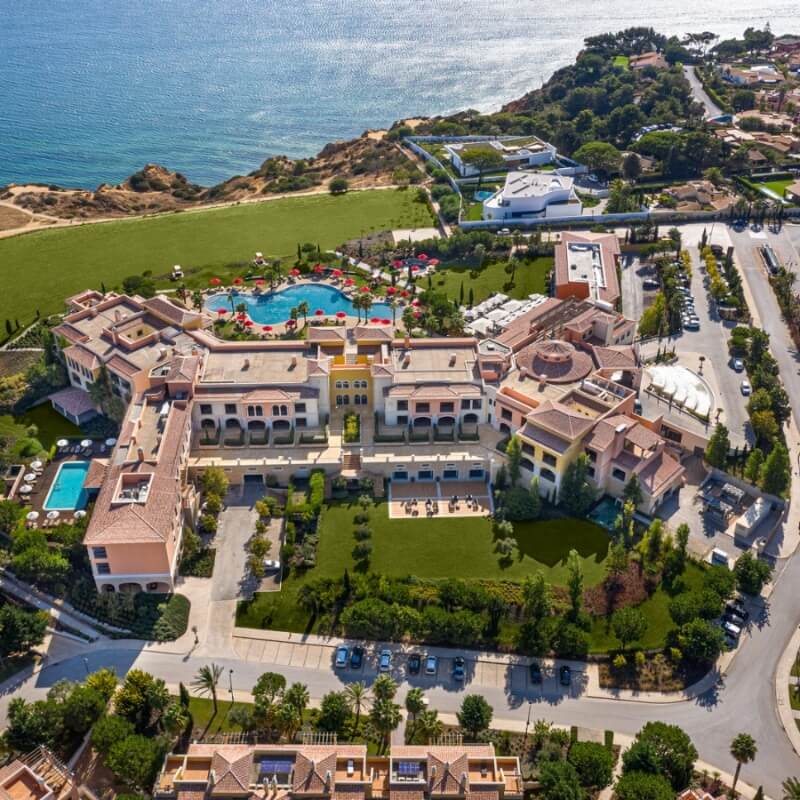
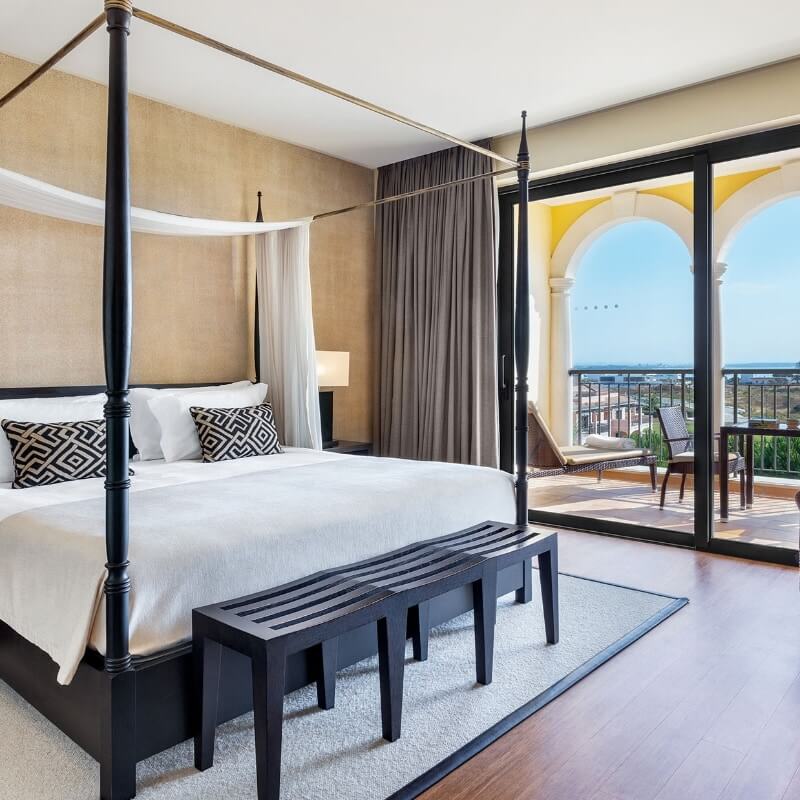
The destination resort for this stretch of coast. Set on the cliffs between Lagos and Luz, Cascade combines substantial facilities (multiple pools, a full spa programme, and several restaurants) with a wellness philosophy that goes beyond the standard hotel spa offering. The cliff-top location delivers dramatic coastal views, and the property functions as a self-contained world: you can spend several days without leaving. The atmosphere is more refined than the big package resorts further east, with a guest profile that skews toward wellness-minded couples and active families. The trade-off is isolation; you’ll need transport to reach Lagos’s restaurants and old town, and the resort’s own dining, while good, lacks the variety of eating in town.
Best for: wellness-focused couples, active families, those who want resort facilities with character rather than corporate scale
Check this stay at Booking.com Expedia
Website · Map
Costa d'Oiro Ambiance Village
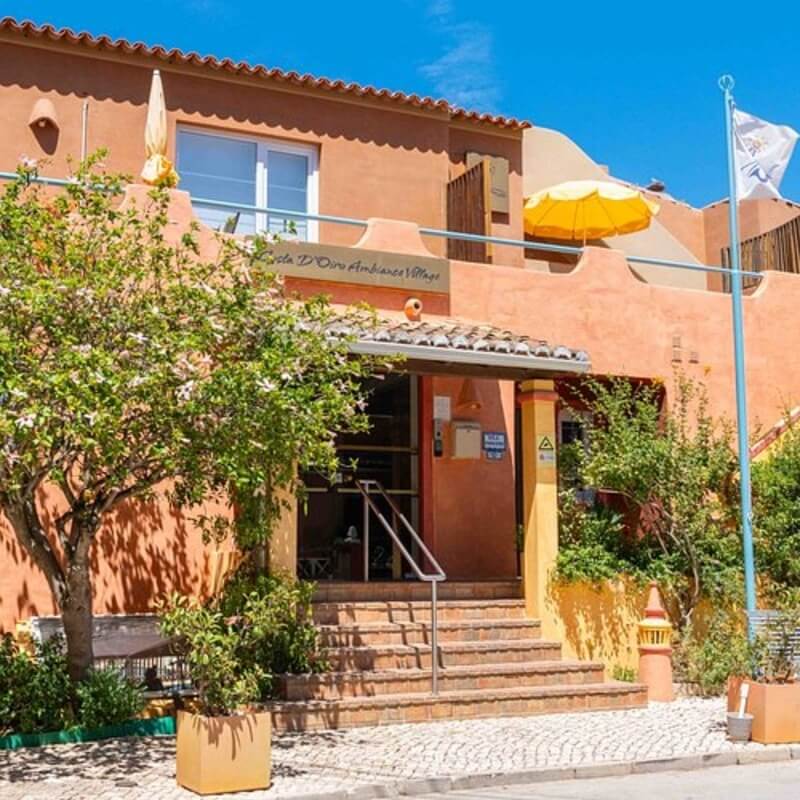
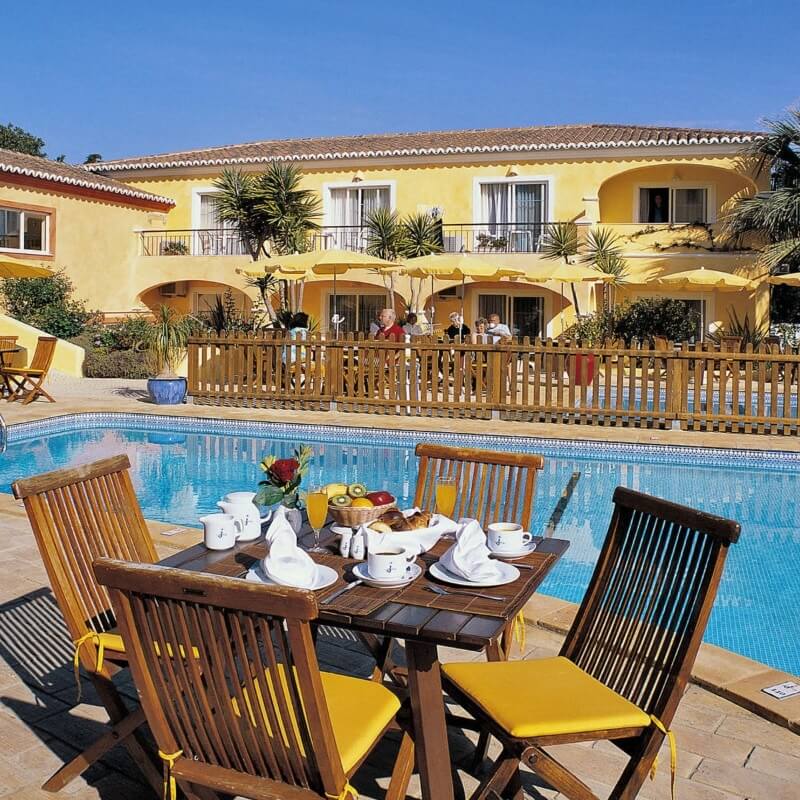
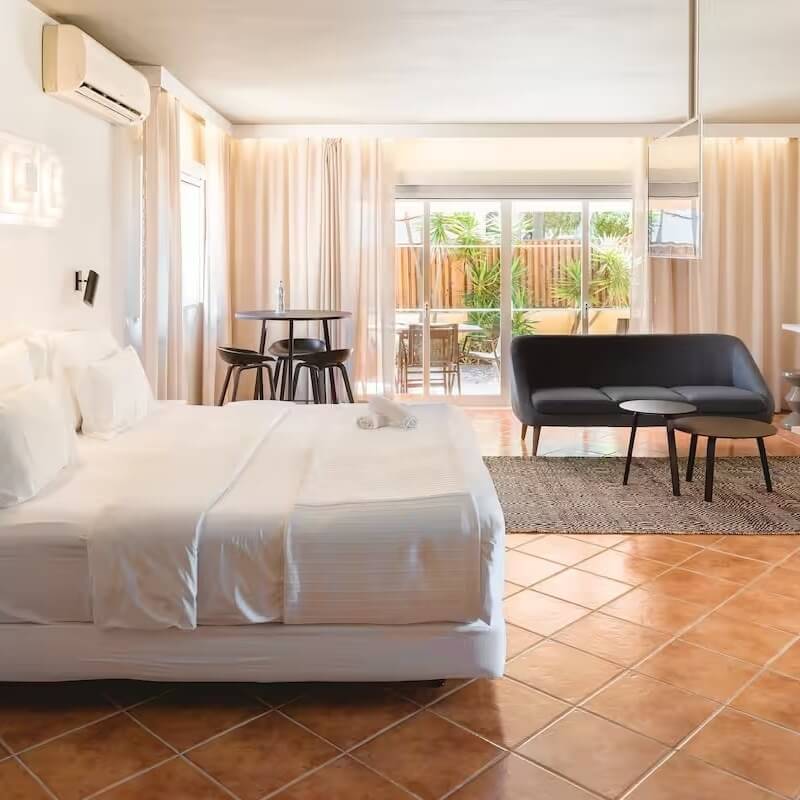
A boutique property that’s earned a loyal following through personal service and a relaxed atmosphere. The apartment-style accommodation suits longer stays and families well, with kitchens and living spaces that feel like a temporary home rather than a hotel room. An adults-only section caters to couples who want quiet. Staff know returning guests by name, a rarity in the Algarve’s hotel scene. The location, slightly uphill from the old town, means a short walk downhill to restaurants and a steeper one back. It’s not the most stylish property, but it’s genuine in a way that few hotels manage.
Best for: repeat visitors, families on longer stays, couples wanting the adults-only section, those who value personal service over design
Check this stay at Booking.com Expedia
Website · Map
Day 2: Surf at Amado, hike at Carrapateira
Drive from Lagos to Praia do Amado: 40 minutes (45km)
Morning: drive to Praia do Amado on the west coast, a long beach break with multiple peaks that handles most swell directions. Several surf schools operate here; conditions are forgiving enough for intermediates and the beach is big enough that crowds rarely matter. If you're experienced, check Praia da Bordeira just north, more exposed, bigger waves when the swell is up.
Afternoon: drive 5 minutes to Carrapateira and pick up the Rota Vicentina — Fishermen's Trail section that runs south along the cliffs. The stretch from Carrapateira toward Bordeira follows the cliff edge with constant ocean views, wild scrubland, and not another person in sight midweek. Allow 2–3 hours for an out-and-back.
Drive back to Lagos for the evening.
Days 3–5: Costa Vicentina (base in Aljezur)
Where to stay in Aljezur
Aljezur has no big hotels — accommodation is surf lodges, rural retreats, and boutique guesthouses scattered through the hills. That's the appeal. All three of these are within 15 minutes of Arrifana and Monte Clérigo.
Amaria
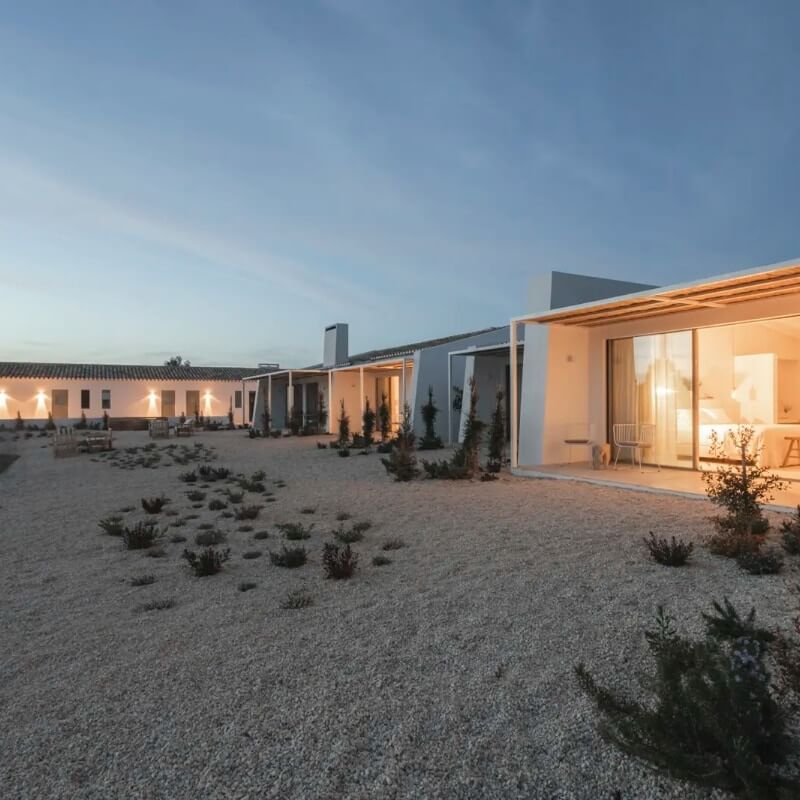
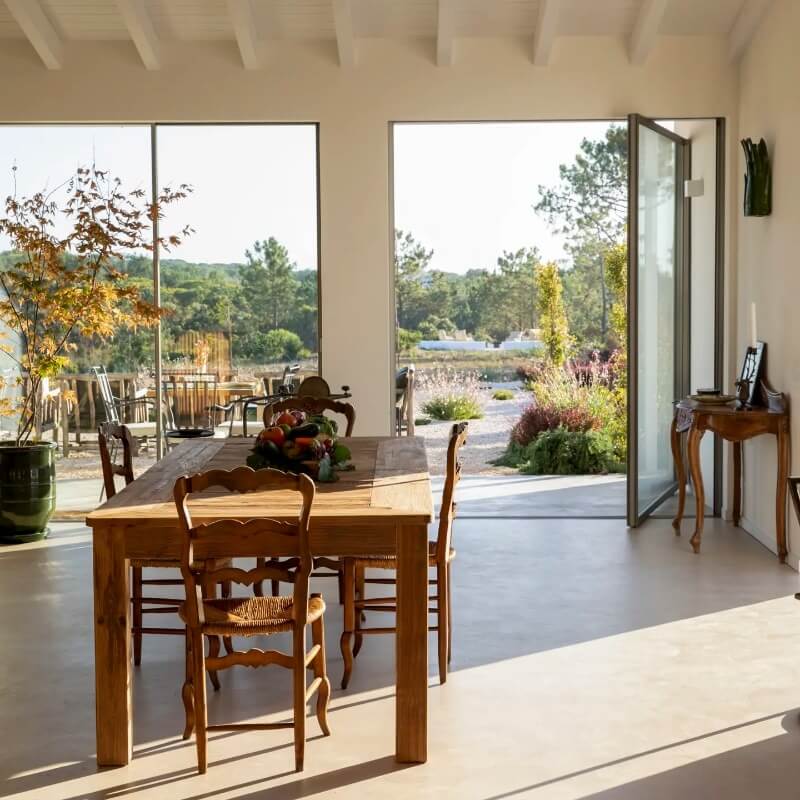
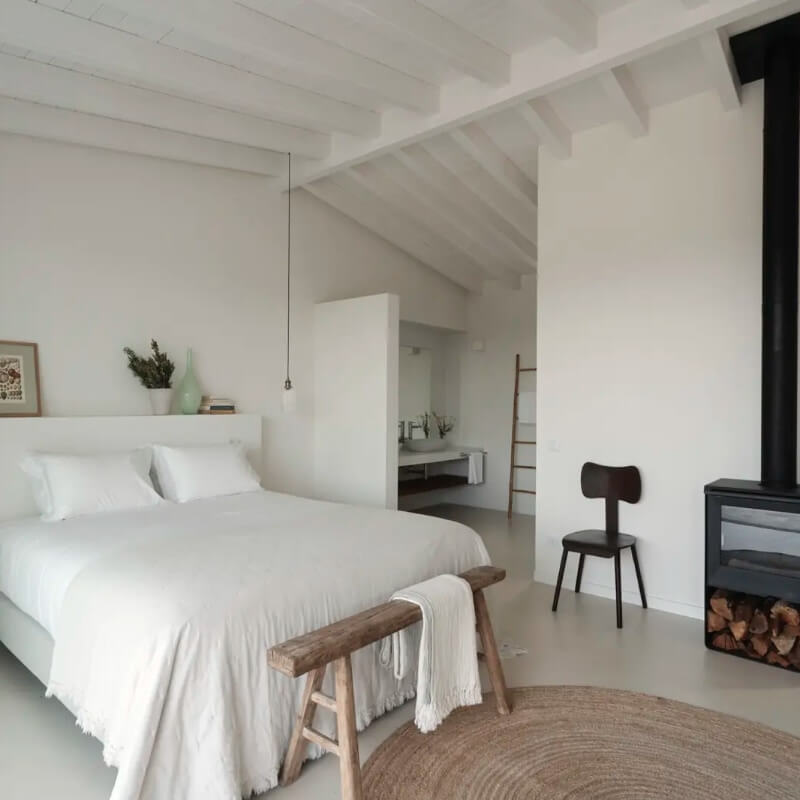
A restored quinta turned adults-only boutique hotel in the Costa Vicentina Natural Park, just outside Aljezur. The 11 suites are minimalist and thoughtfully designed — private patios, natural materials, and a calm that reflects the surrounding landscape. The pool sits among gardens, and the absence of children creates a deliberate quiet. The kitchen uses local and organic produce, and the property runs with an environmental consciousness that feels genuine rather than performative. The trade-off is remoteness: you'll drive to beaches and restaurants, and the small size means limited social energy if that matters to you. For design-conscious couples wanting peace, it's exceptional.
Best for: design-conscious couples, those seeking minimalist calm, visitors wanting Costa Vicentina proximity
Check this stay at Booking.com Expedia
Website · Map
Monte do Cardal
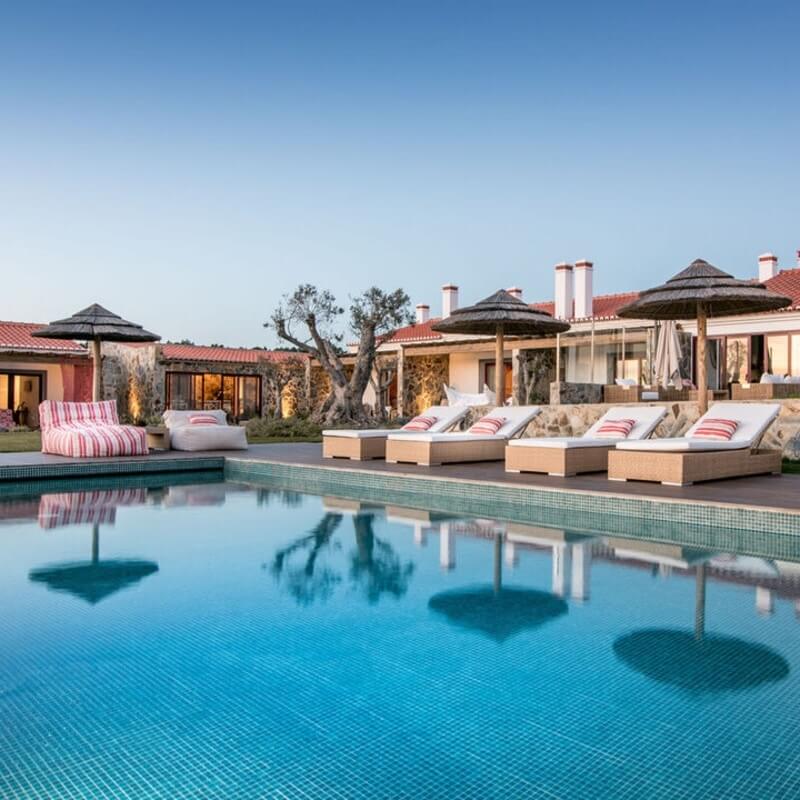
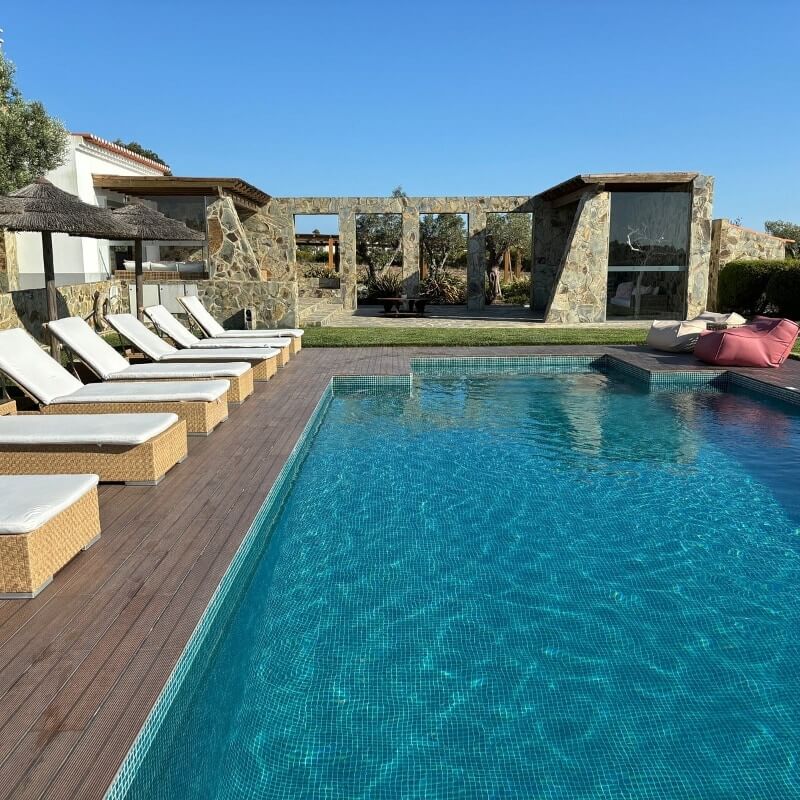
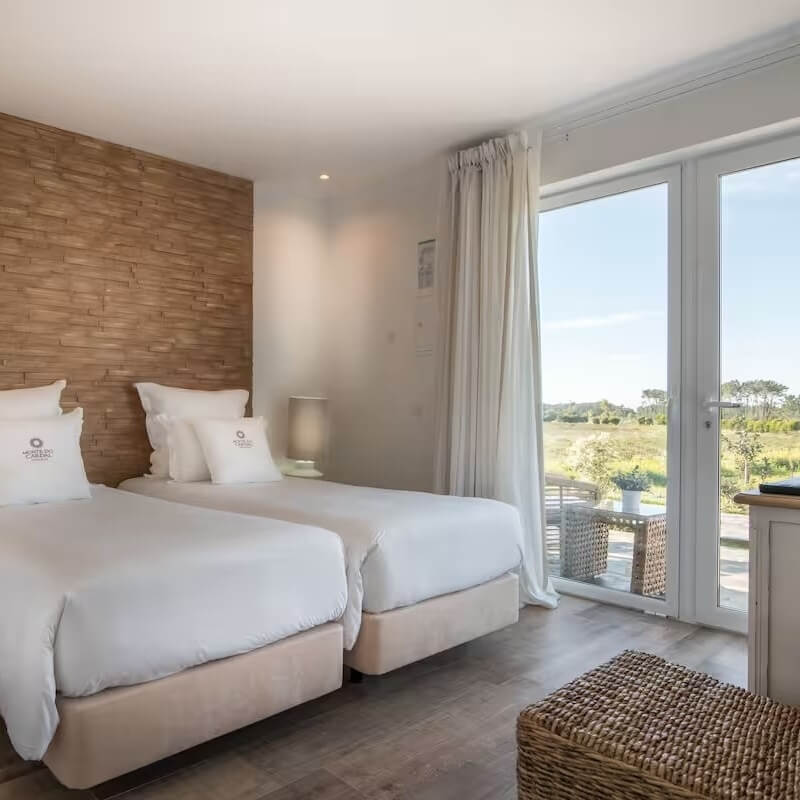
A converted farmhouse in the hills outside Aljezur that has built a loyal following among walkers and nature enthusiasts. The rooms have more character than the village hotels, the home-cooked dinners are worth staying in for, and the owners know every trail and beach within a 30km radius. The hospitality is personal in a way that larger properties can't match — advice on routes, packed lunches for hikes, and a genuine interest in making your stay work. The flip side is that you're genuinely rural; the nearest restaurant is a drive, and the property is small enough that it books out well ahead in summer. No pool, no pretension, just a well-run country guesthouse.
Best for: walkers and hikers, nature lovers, those who value hospitality over hotel facilities
Check this stay at Booking.com Expedia
Website · Map · Instagram · Facebook
Praia do Canal Nature Retreat
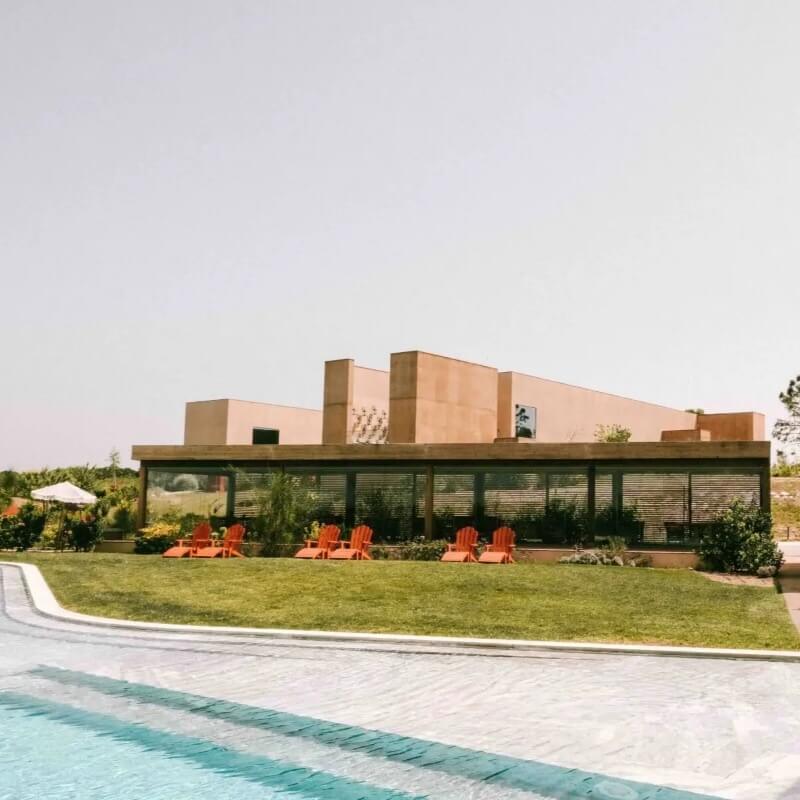
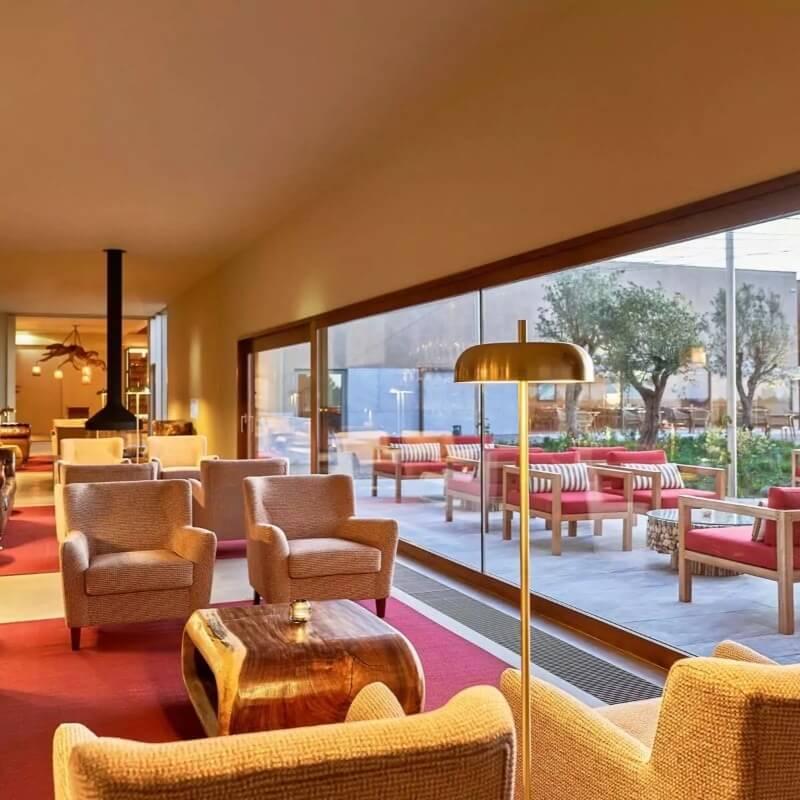
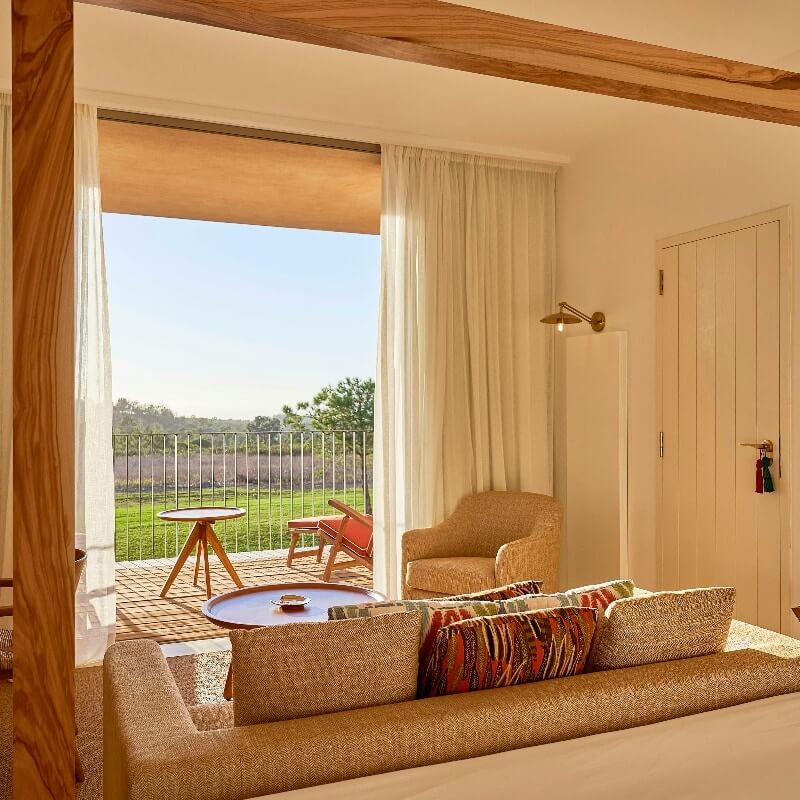
The standout property on the Costa Vicentina. This adults-only retreat combines sophisticated design with genuine environmental commitment, set in the Natural Park with a wild beach on the doorstep. The atmosphere is deliberately peaceful: no children, no television blaring by the pool, no entertainment programme. Cuisine focuses on local and organic produce, and the wellness offerings go beyond a hotel spa — think guided nature walks and mindfulness rather than branded product treatments. The cliff-edge setting delivers a rawness that coastal resorts further south have polished away. The trade-off is price (€€€) and remoteness; you're a 10-minute drive from Aljezur village, and dining options beyond the retreat are limited.
Best for: couples seeking nature-immersed luxury, wellness-focused travellers, those happy to pay for quiet
Check this stay at Booking.com Expedia
Website · Map · Instagram · Facebook
Day 3: Move to Aljezur, surf Arrifana
Drive from Lagos to Aljezur: 35 minutes (40km)
Check out of Lagos and drive north to Aljezur. The town sits below a ruined Moorish castle on a hilltop, with the river winding through green farmland — a different world from the south coast. Check in, then head to Praia de Arrifana, 15 minutes west.
Arrifana is a crescent of sand beneath dark cliffs with a reliable right-hand point break at the southern end and beach breaks along the main stretch. Surf schools cluster at the car park. The cliff-top viewpoint above the beach (next to the ruined fort) is worth the walk even if you're not surfing.
Evening: eat in Aljezur town. The restaurants are simple and local: grilled fish, sweet potato (batata-doce from Aljezur is PGI-protected), and whatever came off the boats that morning.
Day 4: Seven Hanging Valleys or Monte Clérigo
Two options depending on conditions:
Option A — hike the Seven Hanging Valleys Trail. Drive south to Praia de Vale Centeanes near Carvoeiro (50 minutes from Aljezur) and walk the 5.7km cliff trail west to Praia da Marinha. This is the Algarve's most celebrated coastal hike: sea stacks, natural arches, collapsed cave ceilings, and turquoise water below. Allow 2 hours one-way. Arrange a taxi back or retrace your steps.
Option B — if the surf is on. Stay local. Morning session at Praia de Monte Clérigo, a sandy beach break 10 minutes from Aljezur that's more sheltered than Arrifana when the swell is big. Afternoon, walk north along the cliffs or drive to Praia da Amoreira where the Aljezur river meets the sea, a dramatic, wild beach backed by dunes.
Day 5: Sagres and Cape St. Vincent, then departure
Drive from Aljezur to Sagres: 40 minutes (45km) Drive from Sagres to Faro Airport: 1h 32 min (118km)
Start early at the Sagres Fortress, the windswept promontory with its 43-metre stone compass rose and cliffs dropping to the Atlantic on three sides. Then drive 6km to Cape St. Vincent, continental Europe's southwestern tip. Allow an hour for both.
If your flight is afternoon or later, stop at Praia do Tonel below Sagres for a final surf; it picks up swell from every direction and works on most tides. Then drive directly to Faro Airport (about 90 minutes on the A22).
If your flight is before 2pm, skip the surf and leave Sagres by 10am.
Practical notes
- Car hire: Essential. The west coast has no public transport between beaches. Manual cars are cheaper. The A22 toll road uses electronic tolling; set up an EASYtoll tag at the airport.
- Accommodation: Lagos for days 1–2 (old town has good restaurants and nightlife), Aljezur for days 3–5 (quieter, closer to the west-coast beaches). Both have surf lodges and guesthouses from €60–120/night.
- Surf gear: Every main beach has rental and schools. A full wetsuit is needed year-round on the west coast (water 15–19°C). Boards rent from €15–25/day.
- Hiking: The Rota Vicentina's Fishermen's Trail runs the full west coast. Sections are well-marked but exposed; bring water, sunscreen, and start early in warmer months. Trail maps at rotavicentina.com.
- Wind: The west coast is exposed. Afternoons are windier than mornings. If the wind is strong from the north, the south-coast beaches around Lagos are the fallback.
- Budget: €60–120/night accommodation, €30–50/day food, €15–25/day surf rental. Total €100–200/day per person.
- Flights: The west coast is best in shoulder season when fares are lowest. If your flight is delayed or cancelled, EU regulations entitle you to up to €600 compensation.
Last reviewed: