Accommodation character
Tavira's accommodation reflects the town's character: understated, historically grounded, and more concerned with atmosphere than scale. Properties here tend toward the refined: heritage hotels in converted convents and palaces, boutique guesthouses in traditional townhouses, and well-run resorts that respect the Ria Formosa setting rather than competing with it. The mass-tourism aesthetic that dominates central Algarve municipalities is notably absent.
The trade-off is price. Tavira's accommodation generally costs more than equivalent properties in Olhão or Vila Real de Santo António, and the gap widens in summer. A mid-range hotel here often matches what you'd pay for an upmarket option further east. The atmosphere and the town itself justify the premium, but budget travellers looking for cheap beach holidays will find better value elsewhere in the eastern Algarve.
In summer, Tavira fills with a mix of culturally curious visitors and families drawn to the island beaches. Accommodation books early and rates climb sharply from late June through August. The shoulder months (May, early June, September, October) offer the best balance: warm enough for the beach, quiet enough to enjoy the town, and noticeably cheaper. In winter, Tavira is one of the few Algarve municipalities where staying makes sense purely for the town itself; the churches, restaurants, and riverside atmosphere don't depend on sunshine.
Where to base yourself
Tavira old town puts you within walking distance of restaurants, churches, and the Roman bridge. This is where the Pousada, Maria Nova, and most boutique guesthouses are concentrated. The streets are quiet after dark but you're never more than a few minutes' walk from a good meal. The main trade-off is parking: spaces inside the old town are scarce in summer, and most hotels have limited or no private parking. If you're driving, confirm arrangements when booking. The old town works well without a car. The ferry to Ilha de Tavira leaves from Quatro Águas, about a 20-minute walk or short taxi ride east of the centre.
Cabanas de Tavira sits about 6km east and offers a different proposition: waterfront restaurants, a boardwalk along the lagoon, and direct ferry access to the island beaches. The AP Cabanas resort is here, along with a handful of smaller properties and rental apartments. It's quieter and more beach-oriented than the old town, with less to do in the evenings. Suits families and beach-focused visitors who don't need the town's cultural atmosphere on their doorstep.
Ilha de Tavira has very limited accommodation directly on the island: a campsite and a couple of seasonal options. For most visitors, the island is a day trip by ferry rather than a place to stay. The beach is the draw, but the lack of evening infrastructure means you'll want a base on the mainland.
Featured hotels
Vila Galé Tavira
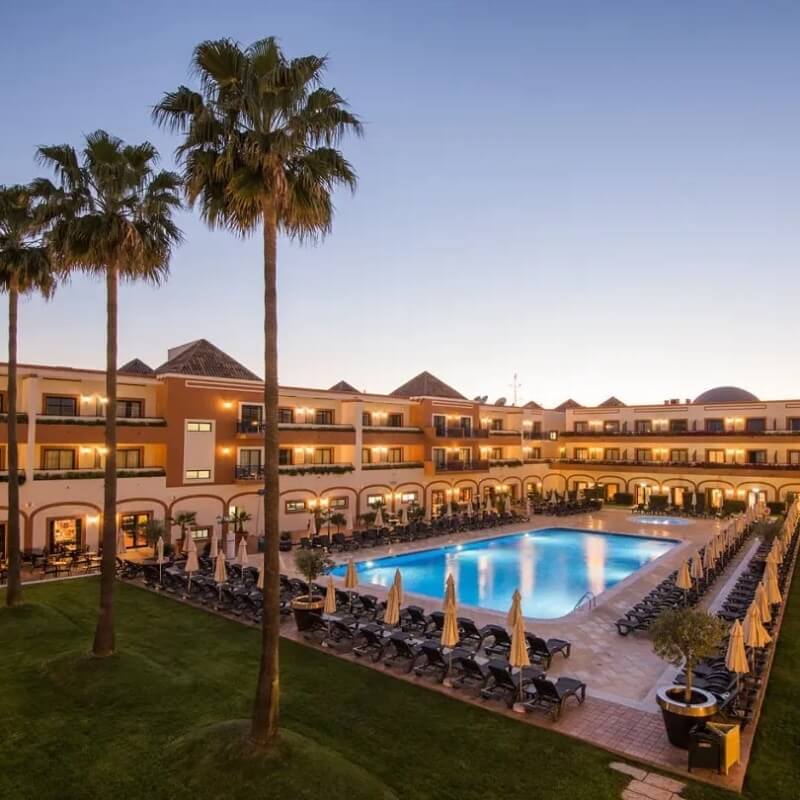
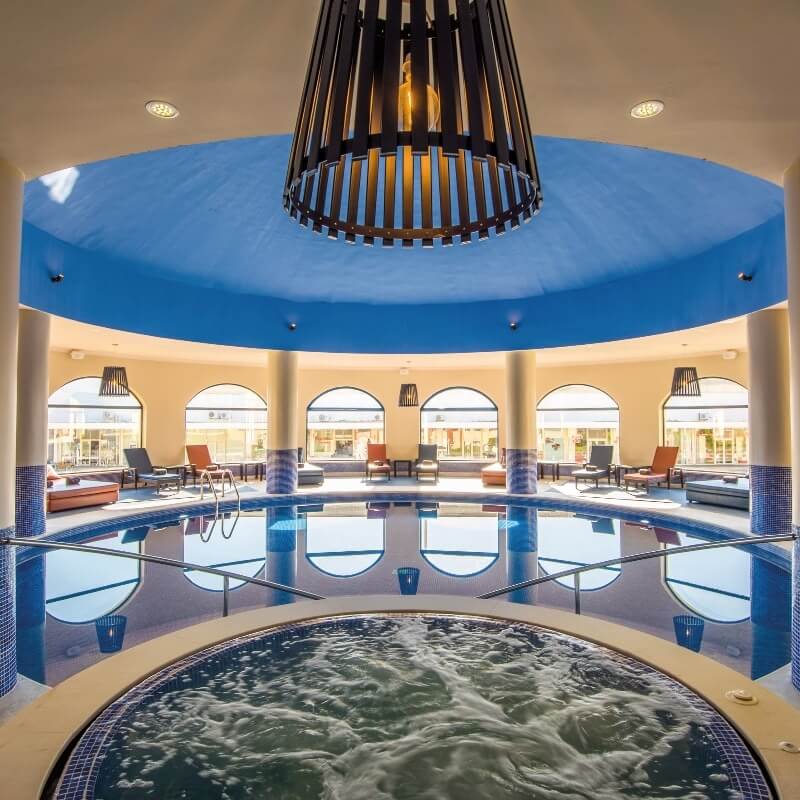
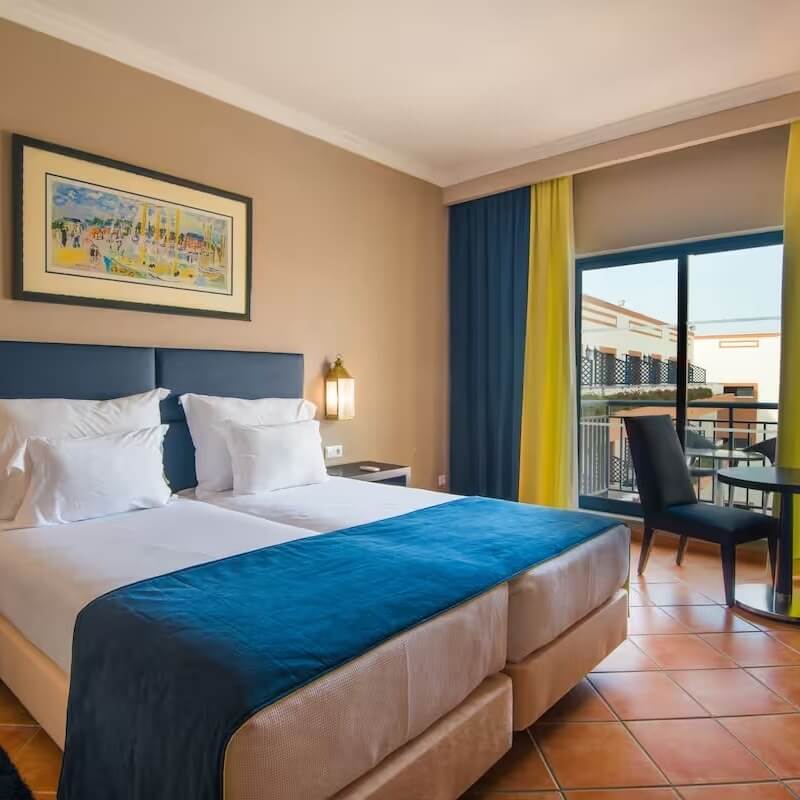
The central Vila Galé property sits near the Municipal Market, within easy walking distance of the old town. Of the two Vila Galé hotels in Tavira, this is the more convenient for restaurants and sightseeing: you can walk to the Roman bridge and the main restaurant strip in a few minutes. It delivers the chain's reliable formula — consistent rooms, professional service, and accessible prices — at rates that undercut the Pousada and Maria Nova. Won't surprise you, but won't disappoint either. The pool area is compact but adequate, and the breakfast buffet covers the basics without excess. Good value for what is, ultimately, a well-run chain hotel.
Best for: value-conscious travellers, families wanting central location, those prioritising reliability over character
Check this stay at Booking.com Expedia
Website · Map
Vila Galé Albacora
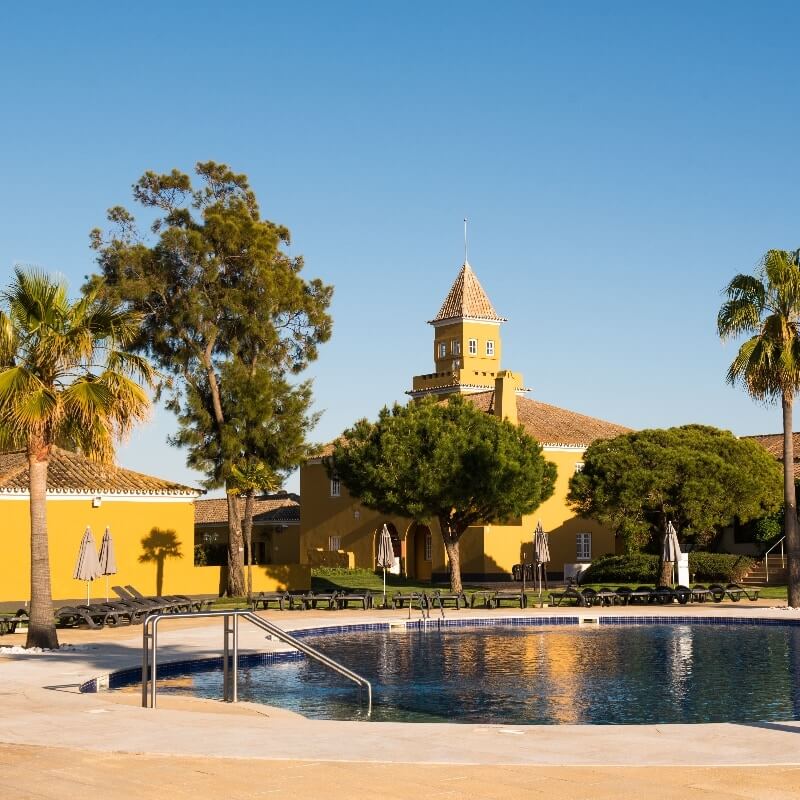
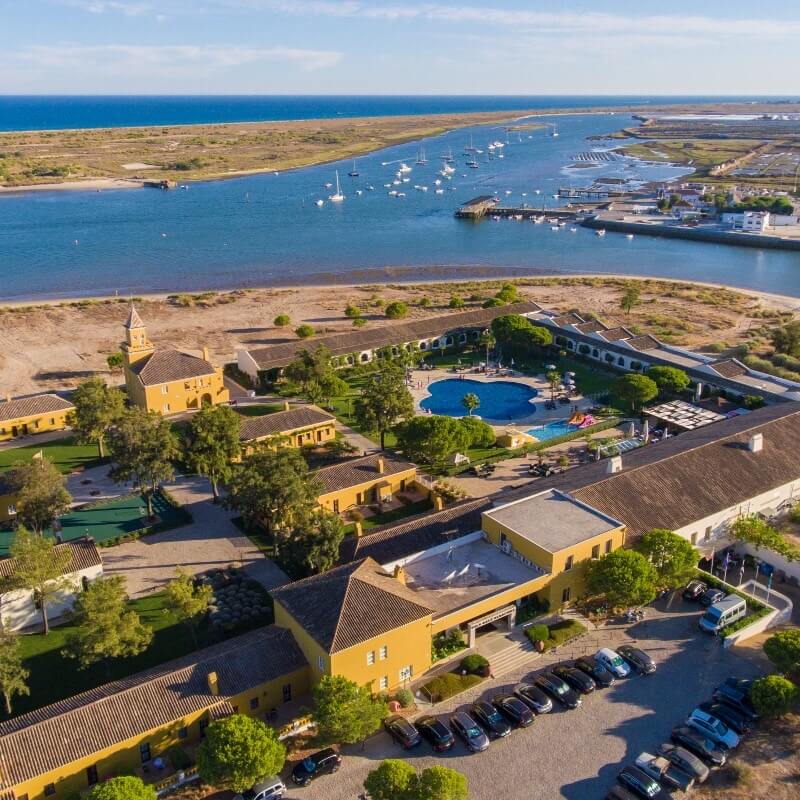
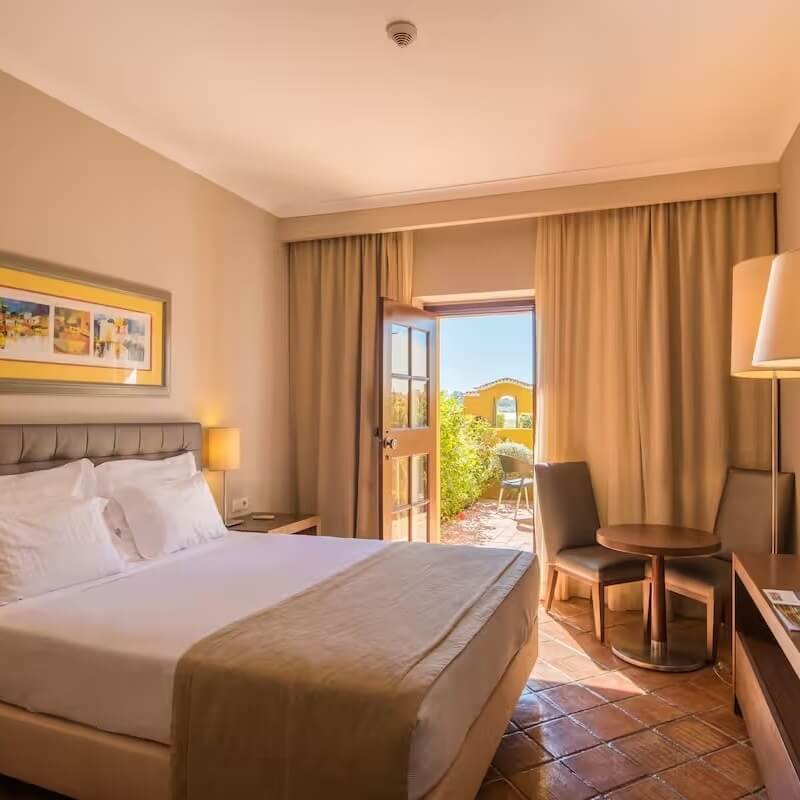
A genuinely unusual property. Housed in a restored former tuna fishing camp (Arraial Ferreira Neto) at Quatro Águas, on the edge of the Ria Formosa, the Albacora trades urban convenience for a setting you won't find elsewhere on the Algarve coast. The 161-room eco-hotel is more secluded and self-contained than its central sibling: pools, spa, and on-site dining mean you can stay put if you want to. The standout feature is boat transfers to [Praia da Terra Estreita](/beach/praia-da-terra-estreita), which bypasses the usual ferry logistics and drops you on one of the area's best island beaches. The trade-off is distance: you're a 10-minute drive from Tavira's old town restaurants and evening atmosphere.
Best for: history and nature lovers, families wanting a self-contained base, those seeking direct boat access to island beaches
Check this stay at Booking.com Expedia
Website · Map
Pedras da Rainha
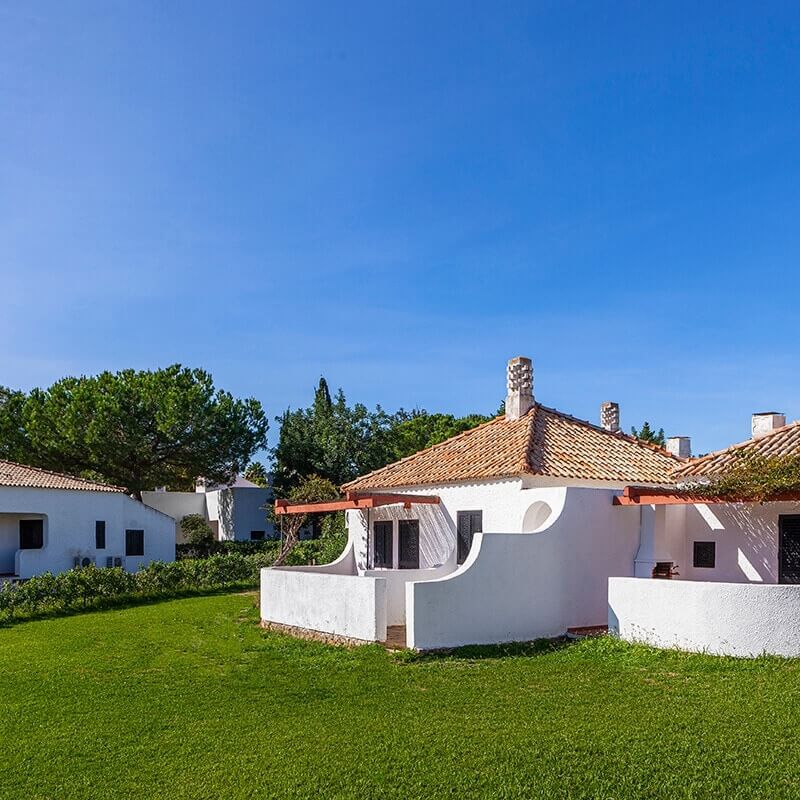
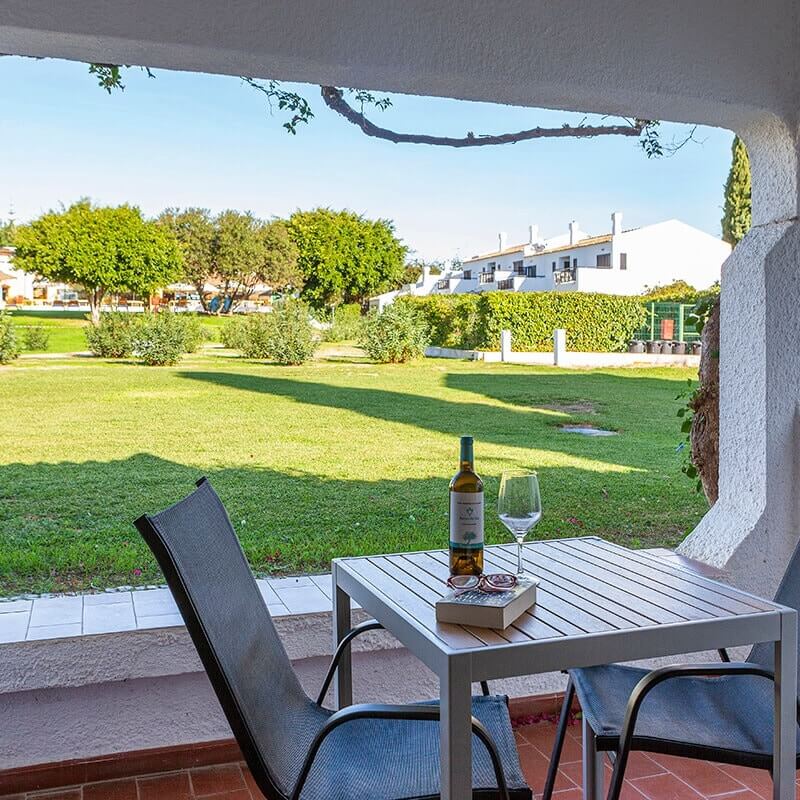
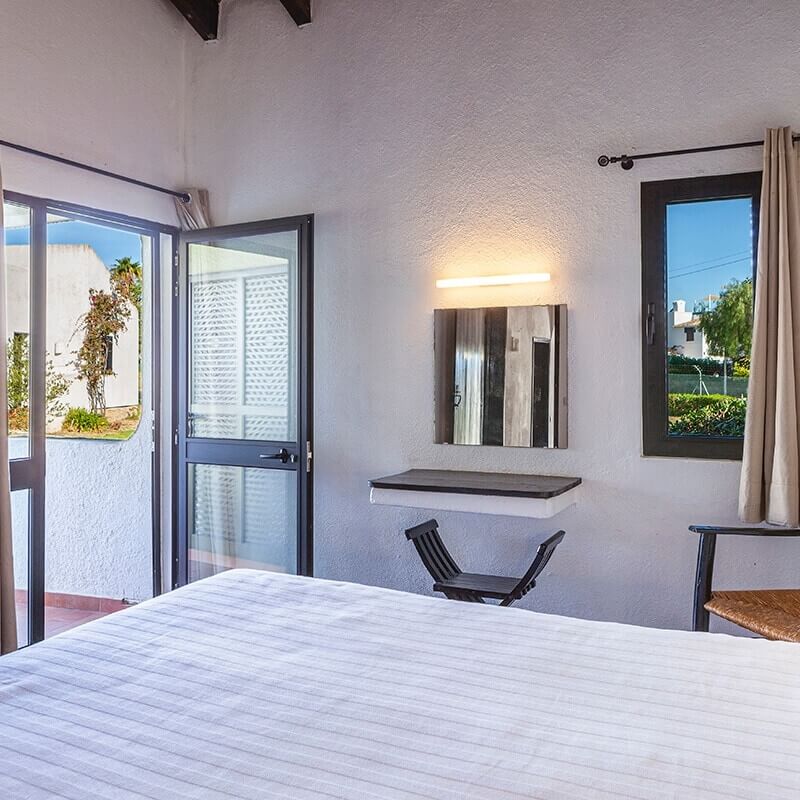
A low-rise resort village on the edge of Cabanas de Tavira, a short walk from the Ria Formosa waterfront and the ferry to Cabanas beach. Studios, apartments, and villas spread across landscaped grounds with two pools, tennis, padel, a bowling alley, and a children's playground. The on-site restaurant, supermarket, and kiosk mean you can go days without needing a car. The atmosphere is family-oriented and relaxed — Portuguese and northern European holidaymakers who come back year after year. At €€, it's excellent value for self-catering beach proximity. The trade-off is the accommodation itself: functional rather than stylish, and maintenance varies across the different unit types. Benamor Golf is 1km away for golfers.
Best for: families wanting pools and play areas near Cabanas beach, couples seeking a quiet Ria Formosa base, pet owners wanting a resort that welcomes animals
Check this stay at Booking.com Expedia
Website · Map
Pedras d'el Rei
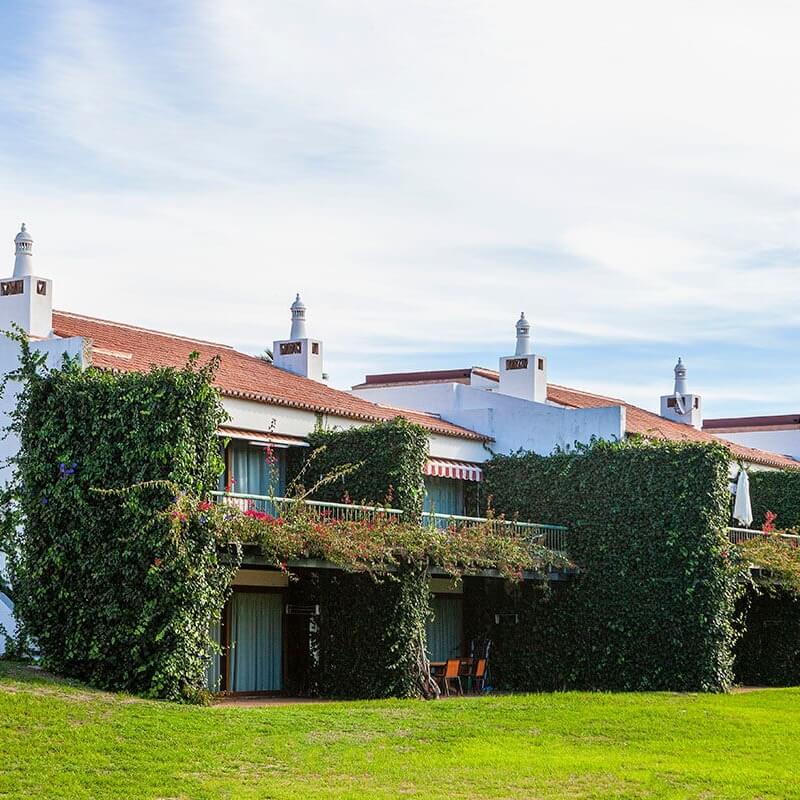
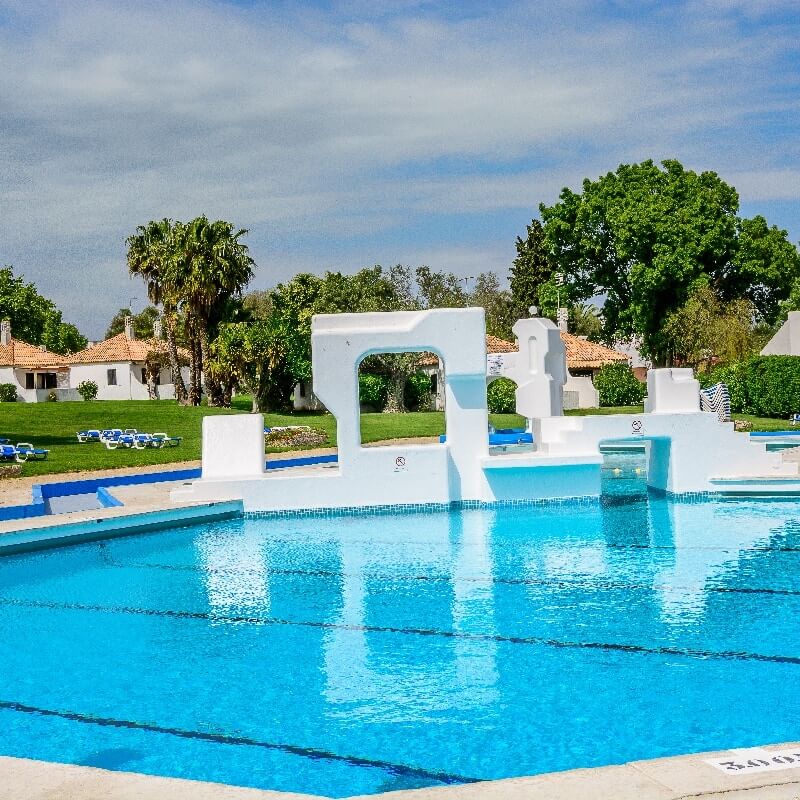
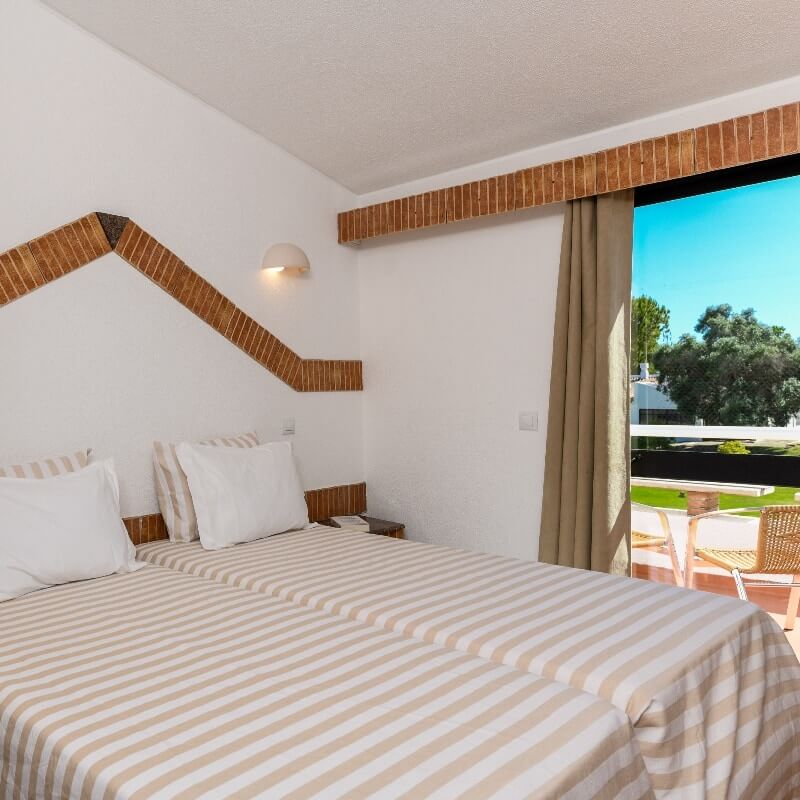
A self-contained resort village inside the Ria Formosa Natural Park, 1km from Praia do Barril. The accommodation ranges from studios to apartments and villas — functional rather than luxurious, but the setting compensates: lagoon views, wading birds on the salt pans, and a free mini-train to one of the Algarve's best island beaches. The pool, tennis courts, and on-site restaurants (Bar Nora, Vale d'el Rei) mean you can avoid driving for days. At €€, it's strong value for what amounts to a nature-immersed beach holiday. The trade-off is isolation — Tavira is a 10-minute drive, and the complex itself is quiet and low-key rather than buzzing. That's either the appeal or the limitation, depending on what you want.
Best for: couples wanting Ria Formosa tranquillity, families with free mini-train beach access, birdwatchers using Barril as a base
Check this stay at Booking.com Expedia
Website · Map
AP Cabanas Beach & Nature
The island-focused alternative for those prioritising beach access over old-town atmosphere. This resort property at Cabanas is set up for self-contained stays: you can spend the day at the pool, walk to the ferry for the island beaches, and eat on-site without needing a car. The rooms are modern and well-kept, and the waterfront position catches good light in the afternoons. The trade-off is location: you're 5km from Tavira's restaurants and cultural life, and the evening options in Cabanas are limited to a handful of waterfront spots. For families who want sand and simplicity rather than heritage and cobblestones, it delivers exactly what's needed.
Best for: beach-focused families, those wanting resort facilities, visitors prioritising island access
Check this stay at Booking.com Expedia
Website · Map
Camping Ria Formosa
A traditional campsite in Cabanas de Tavira, right on the edge of the Ria Formosa Natural Park. Good infrastructure: large swimming pool, playground, and pitches with varying degrees of shade. Suits both tent campers and motorhomes. The trade-off is that reaching the actual ocean beach requires a short boat ride across the lagoon from the village, not a walk. Peak summer weeks pack the site, and some pitches lack shade, making tents uncomfortably hot during the day. For families wanting a safe, well-equipped camping base in the Eastern Algarve, the rates are fair — particularly for long-stay winter guests who get steep monthly discounts.
Best for: families seeking Eastern Algarve camping, long-stay winter campers
Check this stay at Booking.com
Website · Map
Monte do Cansado
A restored two-bedroom country house with views over Tavira's inland hills. The distinguishing feature is year-round usability: central heating in every room makes it a genuine winter option for hikers and cyclists, which most Algarve rentals can't claim. A sunny terrace and shared swimming pool add summer appeal. The pool is shared with the adjacent property's owners and guests — fine for a dip, less so if you want total privacy. The hillside location means steep rural roads and a car is essential to reach Tavira town or the island ferries. Good value, particularly in shoulder and winter seasons when the heating earns its keep.
Best for: active couples wanting winter walking, small families seeking countryside calm, those wanting authentic Tavira hinterland
Check this stay at Booking.com
Website · Map
Pousada Convento de Tavira
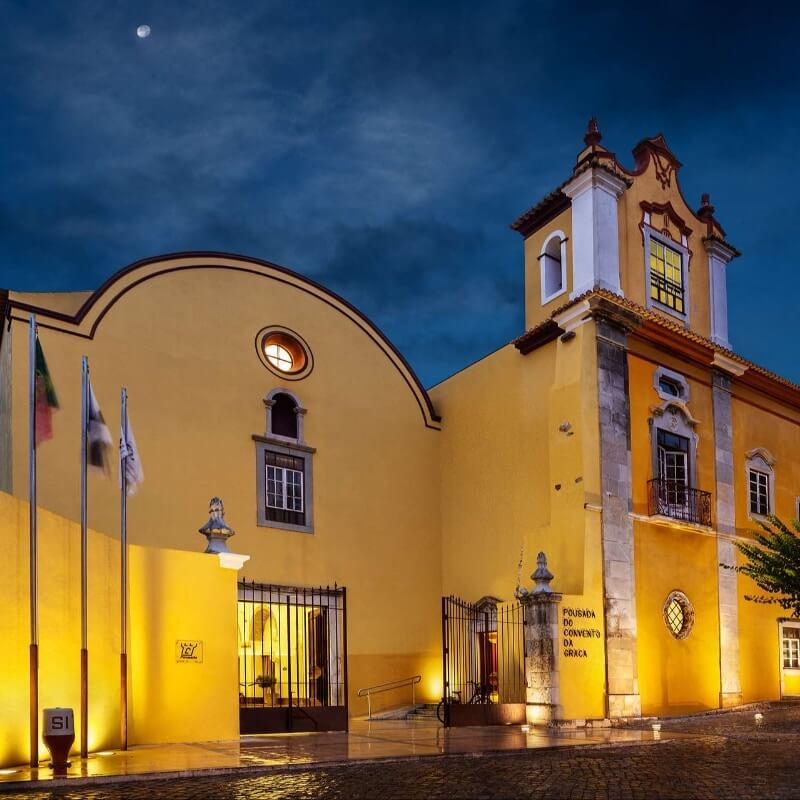
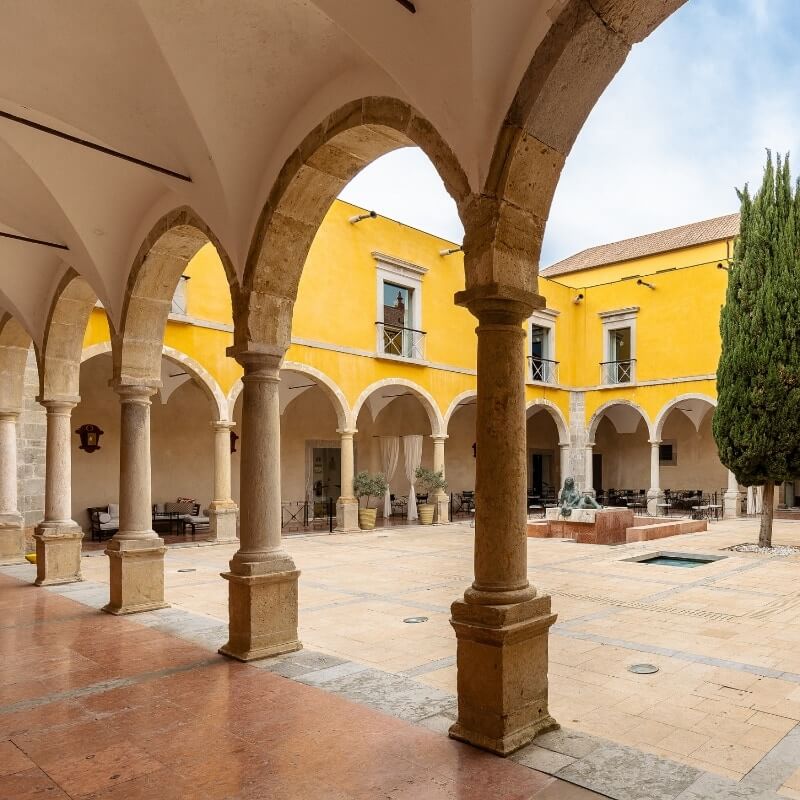
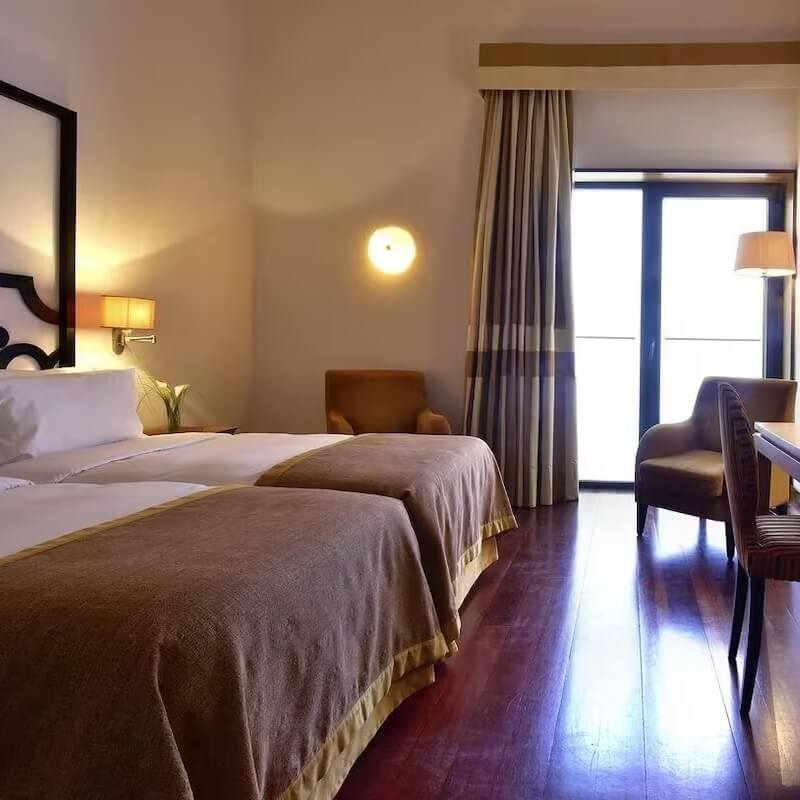
The heritage anchor for the entire municipality. This beautifully converted 16th-century convent delivers the kind of atmospheric accommodation that can't be replicated in new construction. The cloister, the chapel, the weight of history — these create an experience that justifies Tavira's reputation for elegance. Service and facilities are refined without being stuffy, and the courtyard garden provides a calm retreat from the summer streets. The trade-off is price: you're paying a premium for atmosphere, and the rooms in the modern extension lack the character of the convent quarters. Book the original wing if it's available — the difference in atmosphere is worth the request.
Best for: heritage lovers, couples, special occasions, those seeking atmospheric accommodation
Check this stay at Booking.com Expedia
Website · Map
Convento das Bernardas Residence
A 16th-century Cistercian convent restored by Pritzker Prize-winning architect Eduardo Souto de Moura into holiday apartments overlooking the salt flats and Ria Formosa. The architecture alone justifies attention — the conversion preserves the cloister, the convent proportions, and the relationship with the landscape while adding contemporary comforts. Two-bedroom apartments with full kitchens, private terraces, and two saltwater pools. The complex operates under mixed ownership, with different management companies handling different units, which means quality can vary depending on who manages your specific apartment. Ask about the operator when booking. A 5–10 minute walk from the old town centre.
Best for: architecture lovers drawn to Souto de Moura's restoration, self-catering visitors wanting heritage character in Tavira, couples and families needing apartment space near the old town
Check this stay at Booking.com Expedia
Website · Map
What to expect
Tavira's accommodation benefits from the town's overall atmosphere. Even the Vila Galé, a volume chain hotel, feels more considered here than its equivalents in busier resort towns. Properties that succeed in Tavira tend to prioritise character and service over scale; the ones that don't adapt to the town's pace tend not to last.
The visitor profile skews older and more culturally curious than the central Algarve average. You won't find the stag-party crowds or all-inclusive resort culture here. This shapes the accommodation scene: properties invest in quality rather than volume, and the nightlife-adjacent hotel category barely exists.
Most of Tavira's accommodation falls into four types: the heritage pousada, boutique guesthouses in converted townhouses, a handful of modern hotels, and resort properties closer to the beaches. What's largely absent is the budget hostel and aparthotel segment. If you're watching every euro, Faro or Olhão offer more at the lower end.
Island beaches require ferry access from Quatro Águas or Cabanas. Services run regularly in summer (roughly every 15–30 minutes) but reduce in the off-season. It's a pleasant part of the Tavira rhythm rather than an inconvenience, but it does mean beach days need a bit more planning than in municipalities with walkable sand. A car is useful for reaching Cabanas, Cacela Velha, or the Ozadi, but the old town itself is easily walkable.
Booking considerations
- Book early for summer: Tavira's accommodation base is smaller than central Algarve resort towns, and demand outstrips supply in July and August. The best properties book months ahead — heritage hotels, boutiques, and quality options across all price ranges
- Shoulder-season value: May, early June, September, and October offer warm weather, quieter streets, and noticeably lower rates. Even the premium old-town properties drop significantly outside peak months
- Parking: Old-town hotels have limited or no private parking. If you're driving in summer, confirm arrangements when booking. Street parking near the centre fills quickly by mid-morning
- Direct booking: Smaller guesthouses and boutique properties often offer better rates or room upgrades when booked directly rather than through OTAs
- Island ferries: Services run regularly from Quatro Águas and Cabanas in summer; reduced schedules in winter. Factor ferry timing into beach day planning
- Santa Luzia: The octopus village 3km west is worth a meal but has very limited accommodation. Stay in Tavira and walk or drive over
- Cachopo day trip: The mountain village in Tavira's interior provides a complete change of scenery; no need to stay there
- Winter appeal: Tavira works year-round. The town's churches, restaurants, and riverside walks don't depend on sunshine, and winter rates make the better hotels genuinely accessible
Last reviewed: